Backyard Deck Design Ideas for Toronto Homes
Designing a backyard deck is about more than adding livable square footage. A well-designed deck should feel like an extension of your home and connected to your landscape. In this article, I’m sharing backyard deck design ideas that work especially well for Toronto-area homes. This is based on how people want to use their outdoor spaces.
As a landscape designer, I always look at deck design as part of the full backyard plan. When decks are designed in isolation, they can often feel disconnected from their surroundings. When they’re designed as part of the overall landscape, it’s easy to create great flow and an aesthetic cohesiveness to be long both in function and how they withstand the elements of our climate.
Why deck design matters more than deck size
One of the most common things I hear is, “We want the biggest deck possible.” In reality, the best decks aren’t the biggest ones. They’re the ones that fit the space and support how you live outdoors.
A deck that blocks garden access, feels exposed, or doesn’t connect naturally to the yard often becomes underused. That’s why I always design decks alongside backyard landscaping elements like planting, grading, and circulation paths. When these pieces are planned together, the deck feels intentional instead of overwhelming. There are also local by-law restrictions limiting the overall size of a deck to keep in mind.
If you’re still in the early planning stage, this is where professional deck design services make a big difference:
Deck layout ideas based on how you use your backyard
Before choosing materials or finishes, I always start with layout. How you move from inside your home to the backyard and throughout your landscape as well as how you want to use your deck should guide the deck design. Do you want an outdoor kitchen for cooking? A hot tub for a home spa experience? Or a space for dining or lounging? As I like to say, the wood we choose or the railings or built-in seating are the jewelry to finish the structure.
Single-level decks for seamless indoor–outdoor flow
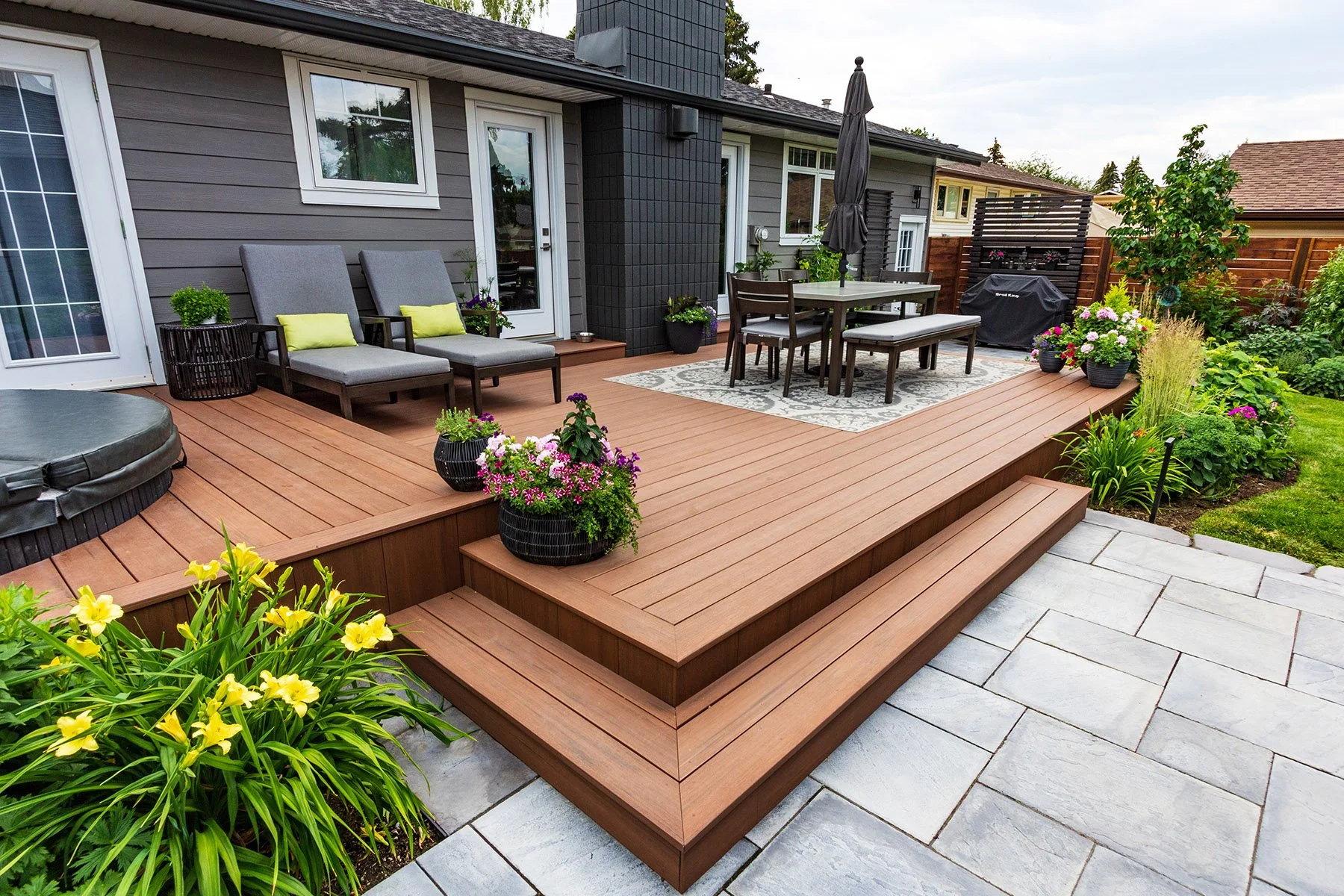
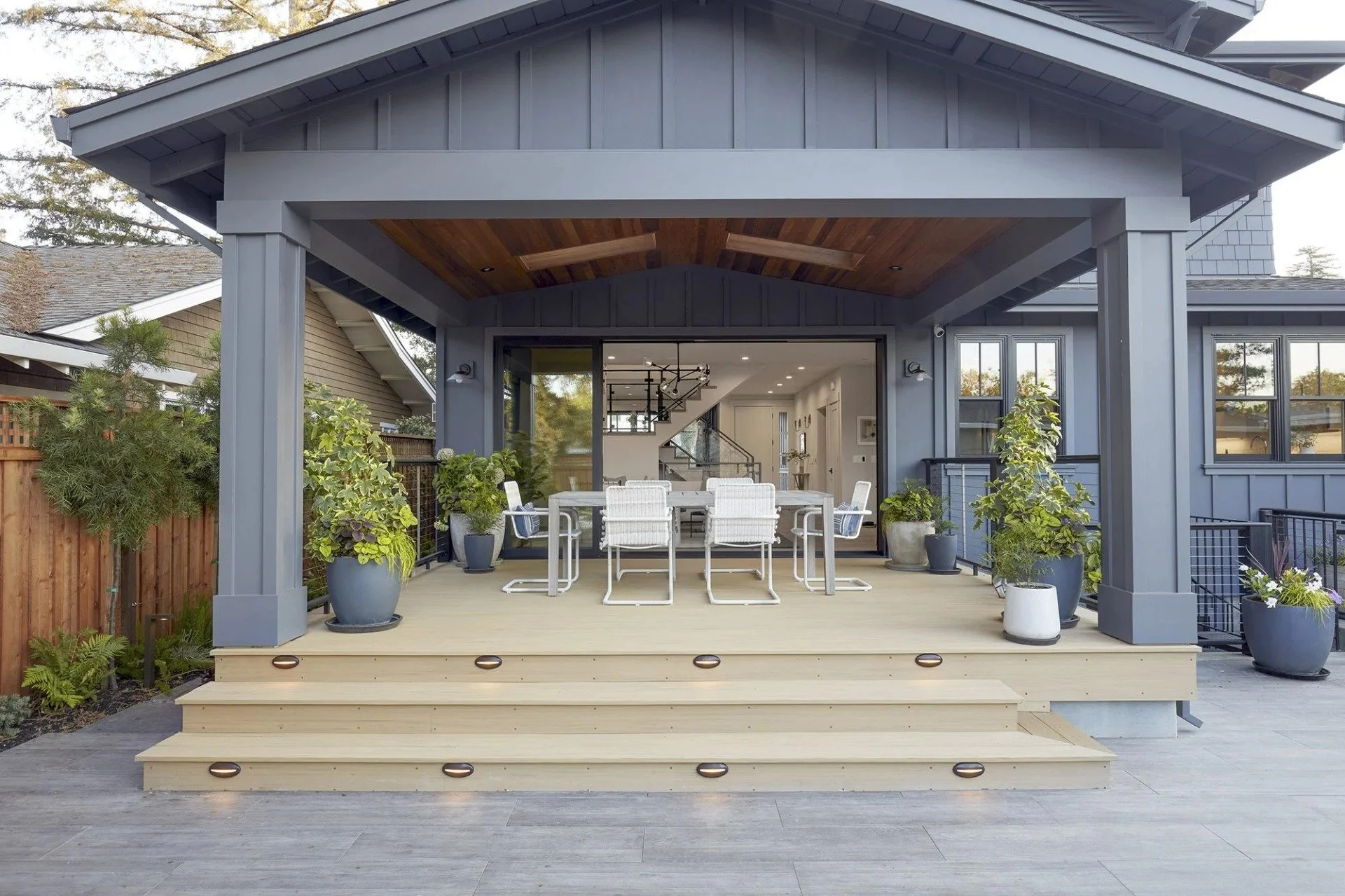
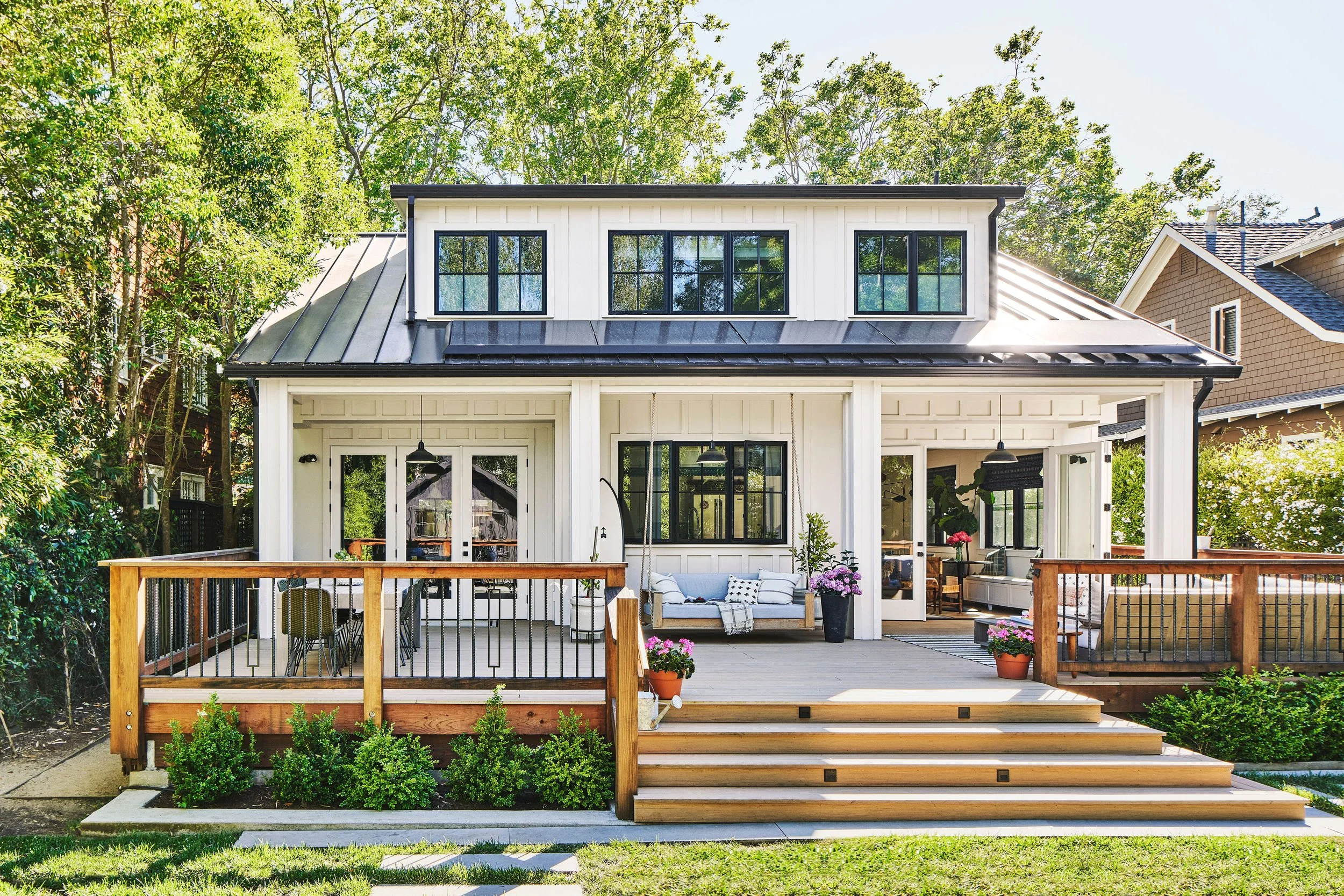
Single-level decks are a great option for many Toronto homes, especially where the back door sits close to grade. These decks create a smooth transition from inside to outside and work beautifully for dining, lounging, or casual gatherings.
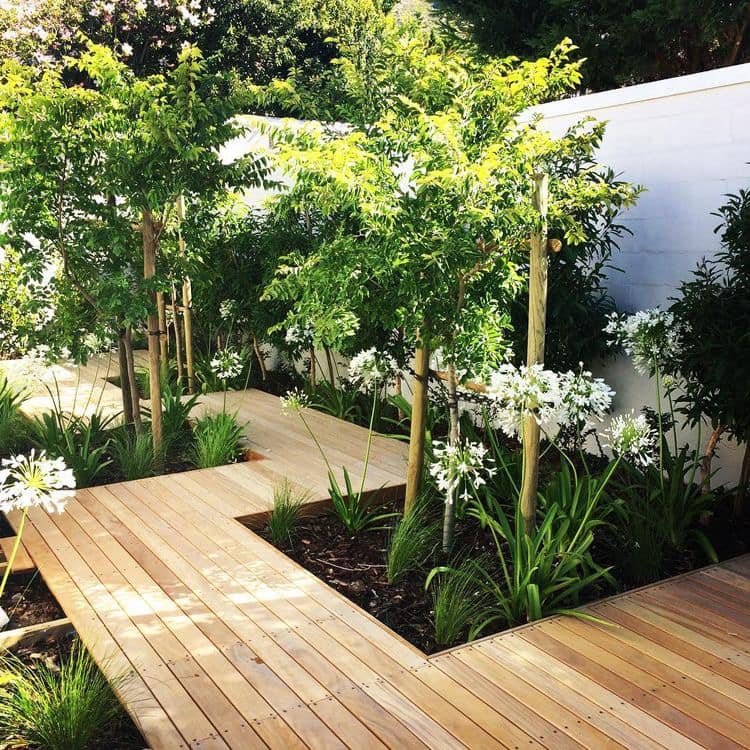
They also integrate well with garden landscaping, allowing planting beds to soften the deck edges and visually connect the space to the rest of the yard.
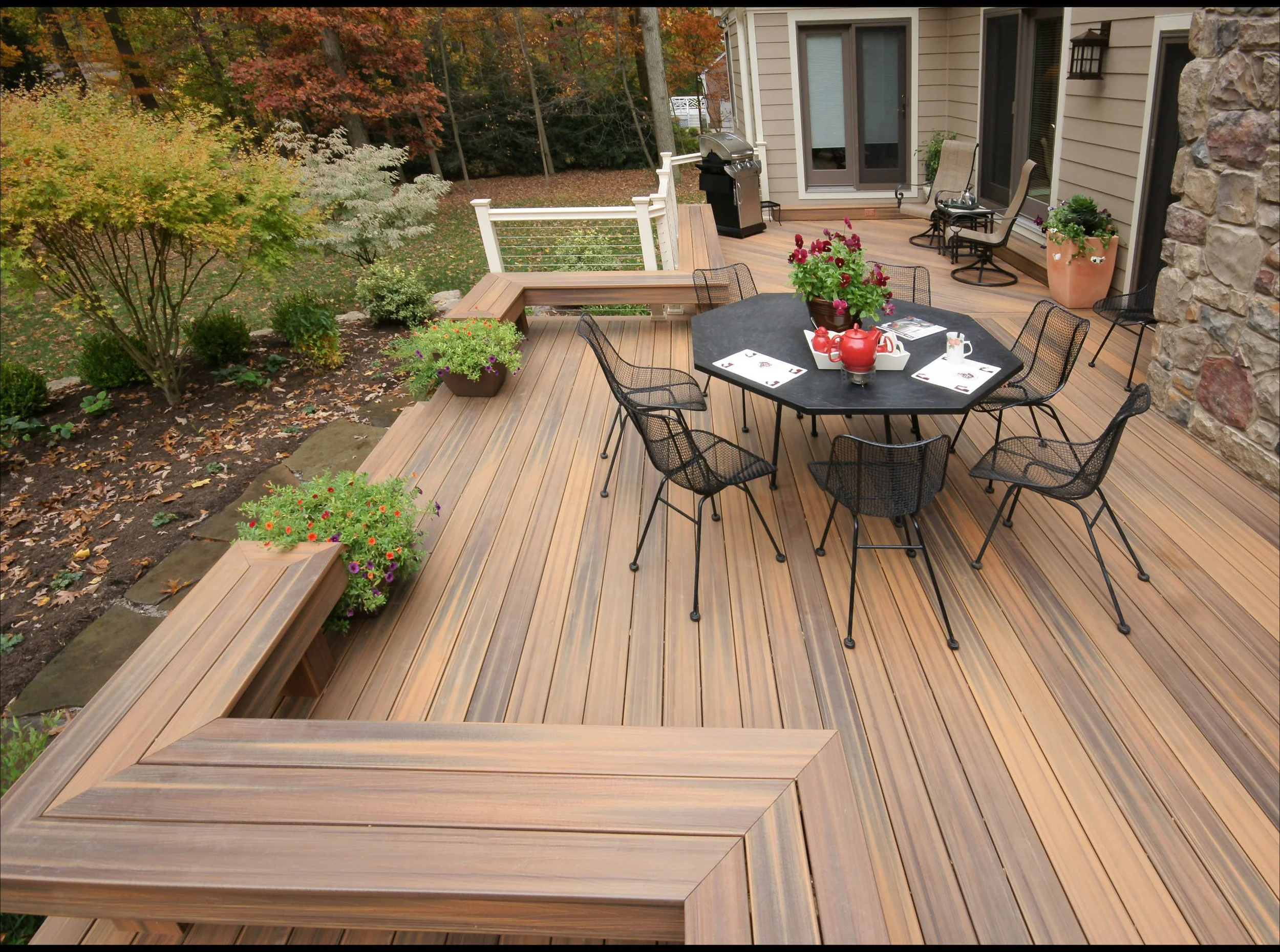
Multi-level decks for sloped or layered spaces
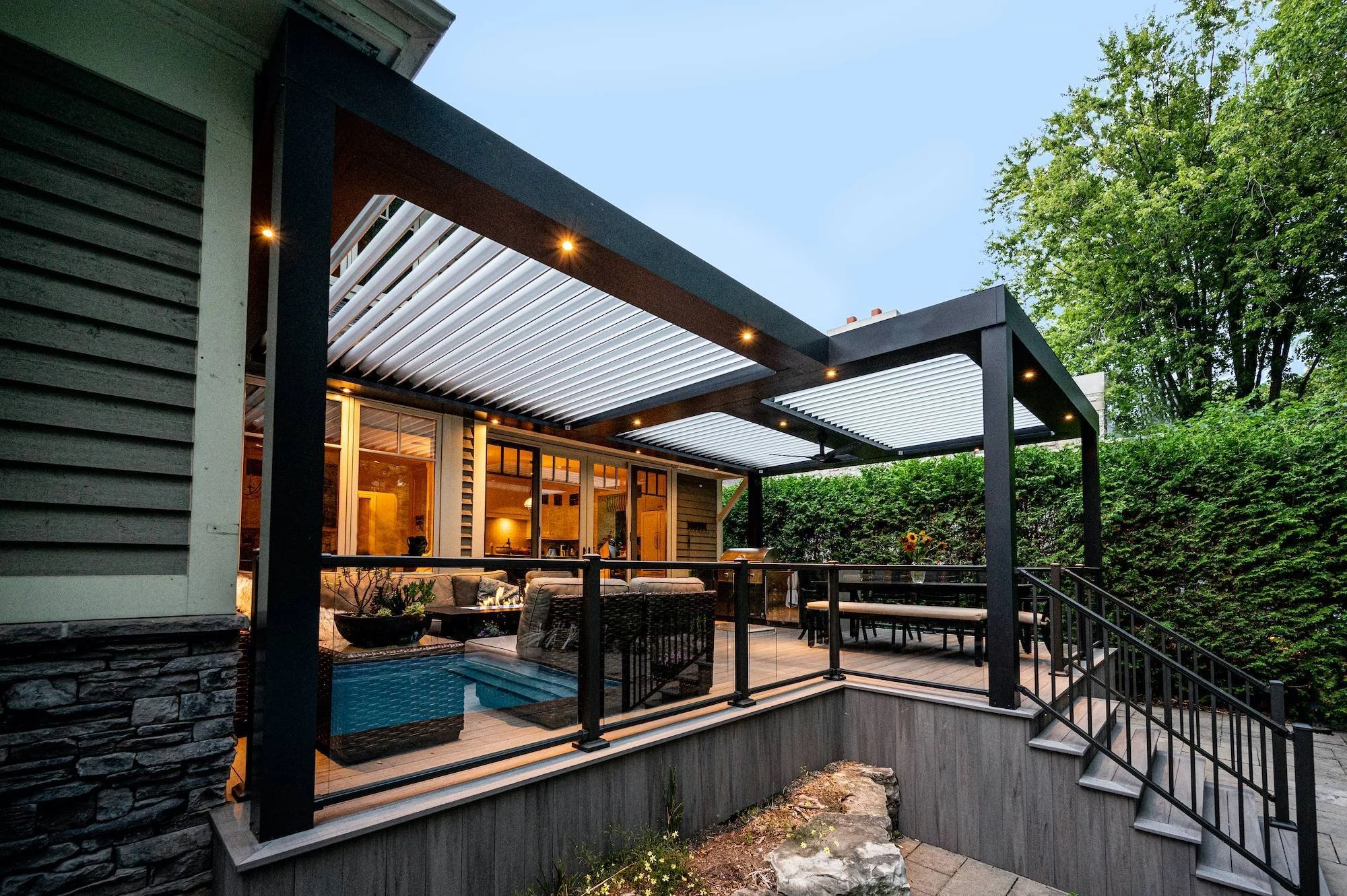
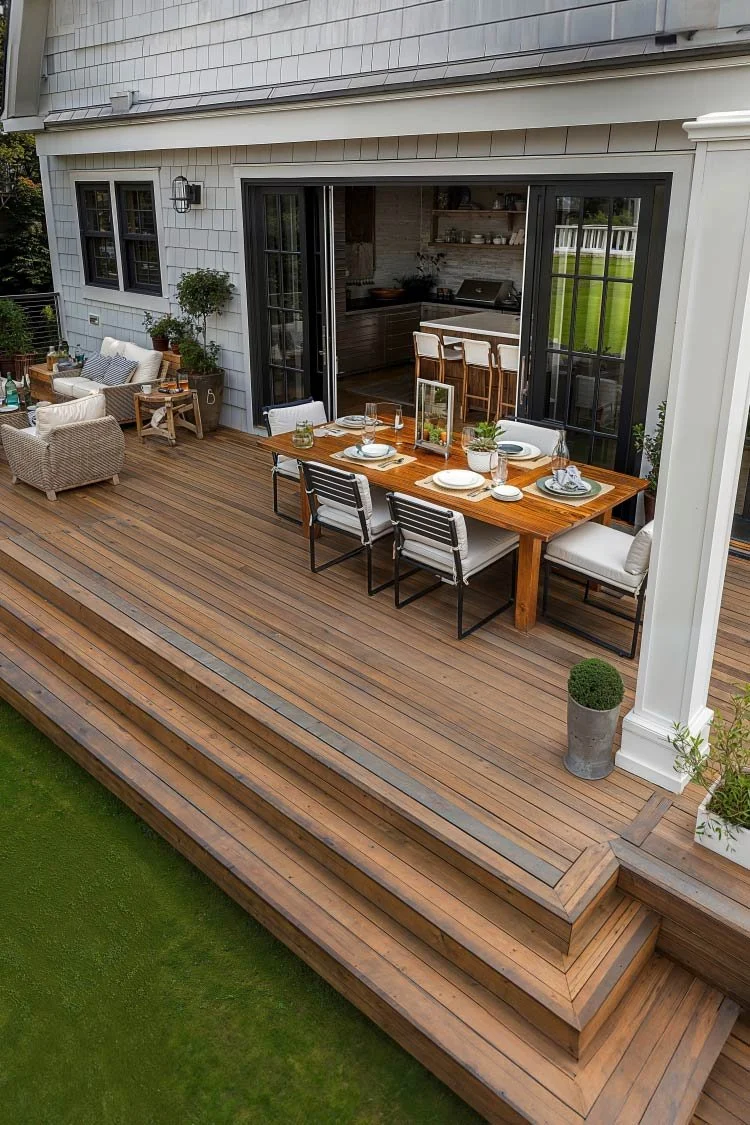
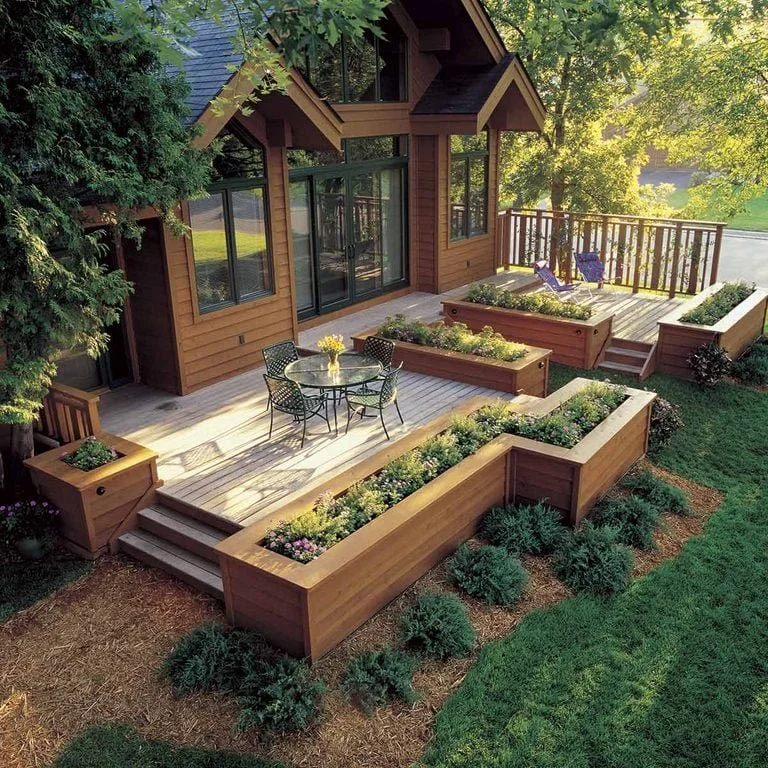
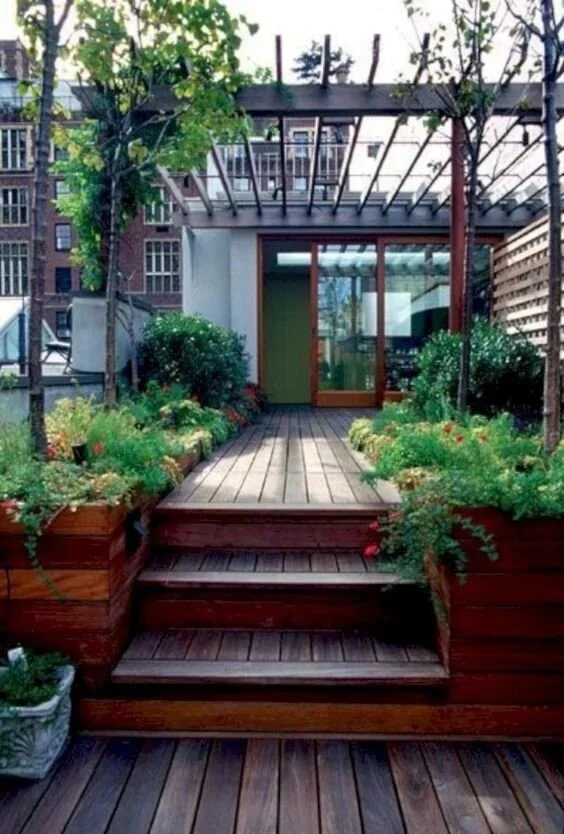
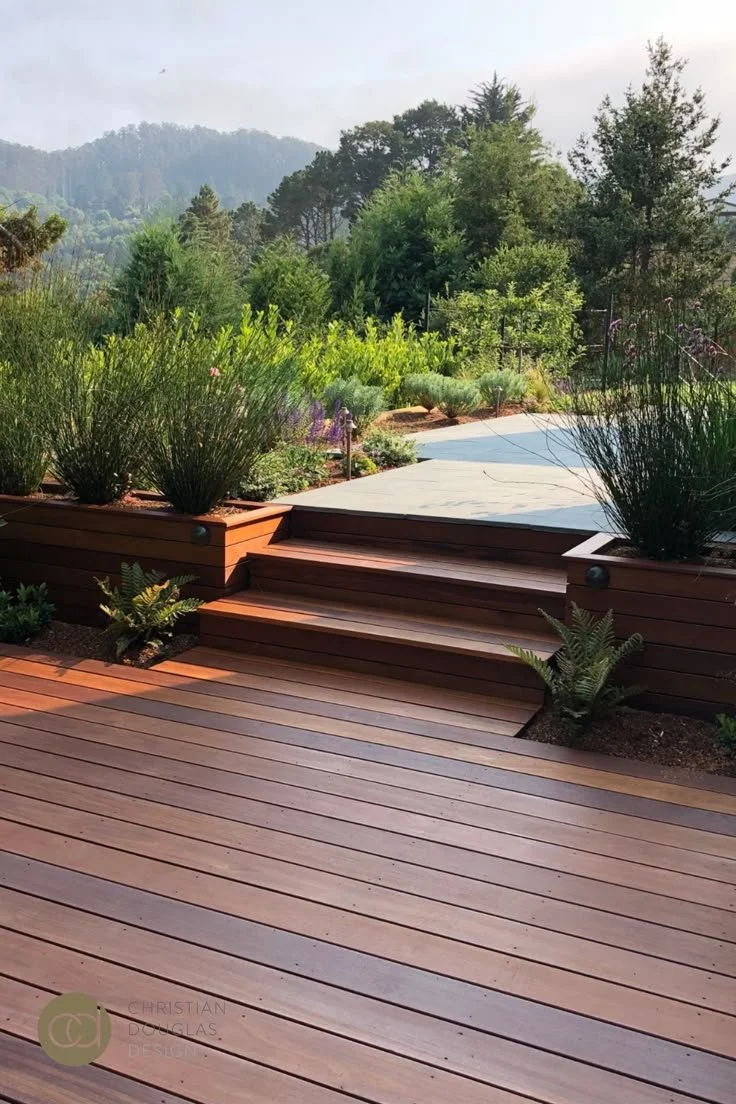
When a yard has elevation changes, multi-level decks can solve several problems at once. One level can support dining, another lounging, and a lower level can connect to lawn or planting areas.
These designs work best when coordinated with hardscape design elements like steps, landings, and retaining structures so everything feels cohesive instead of pieced together.
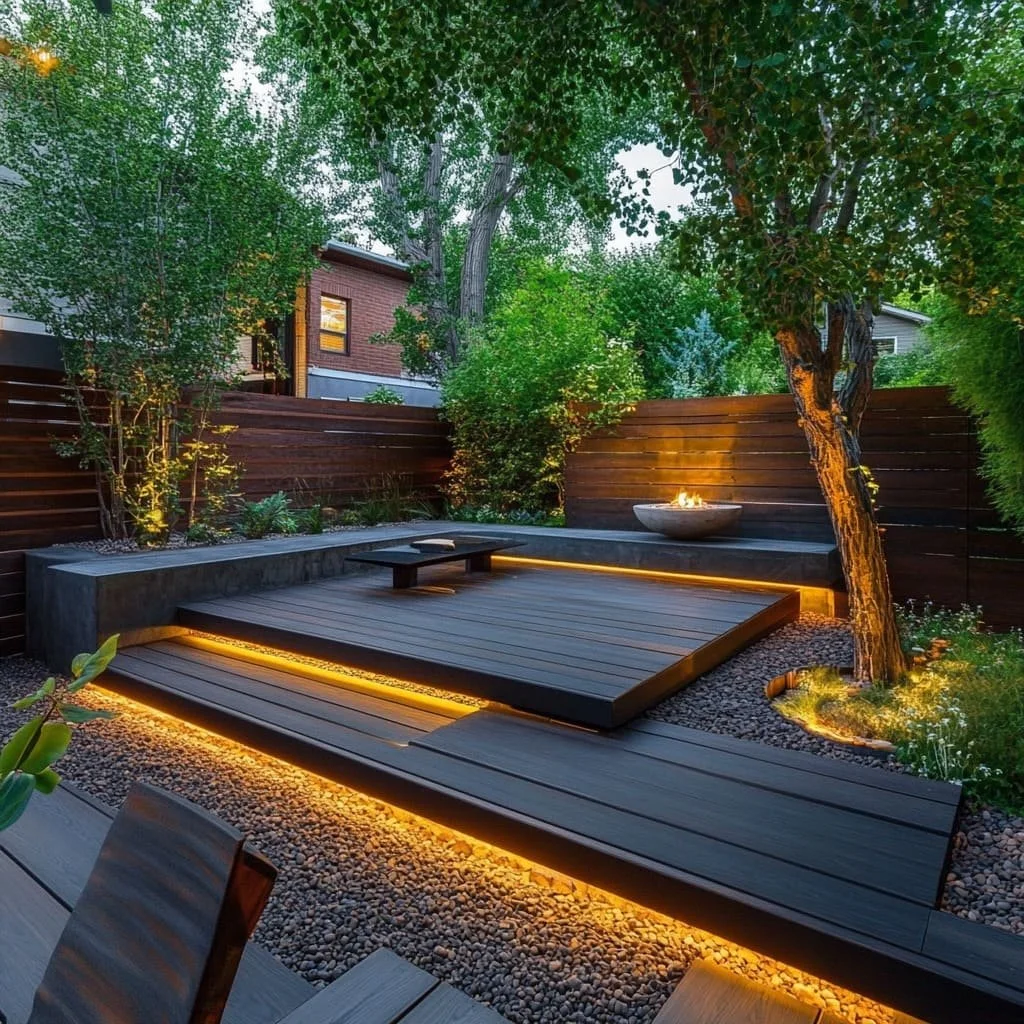
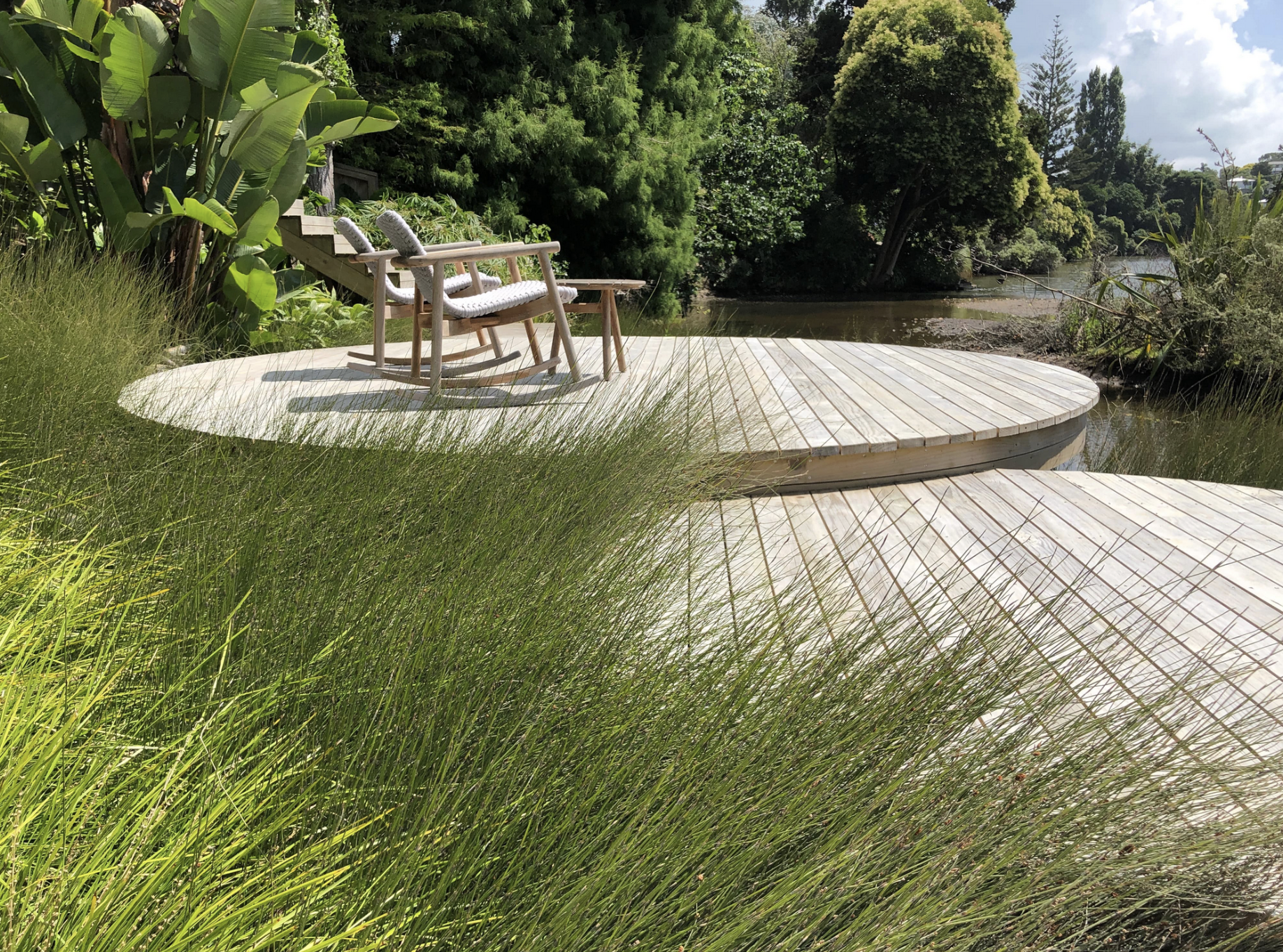
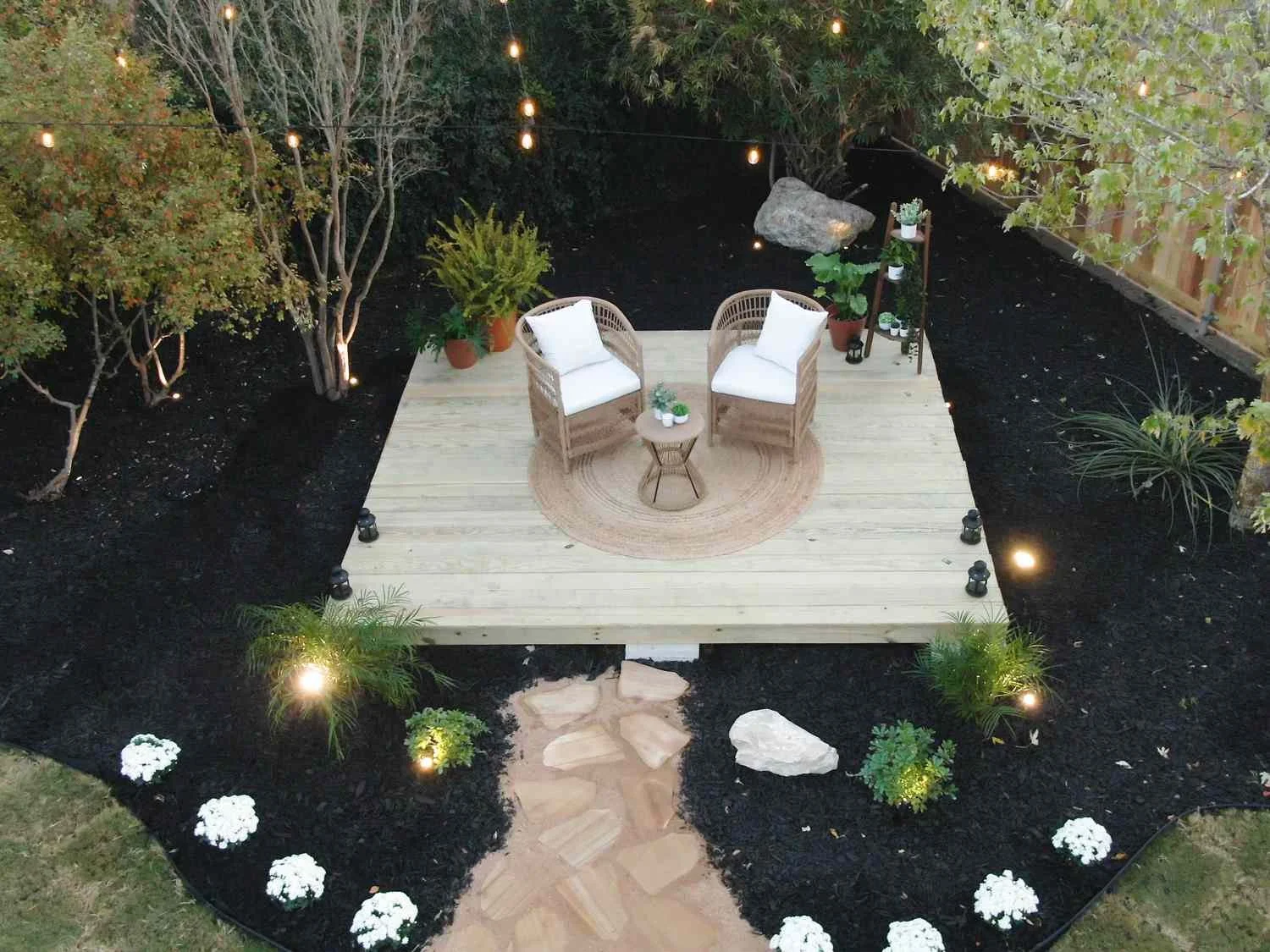
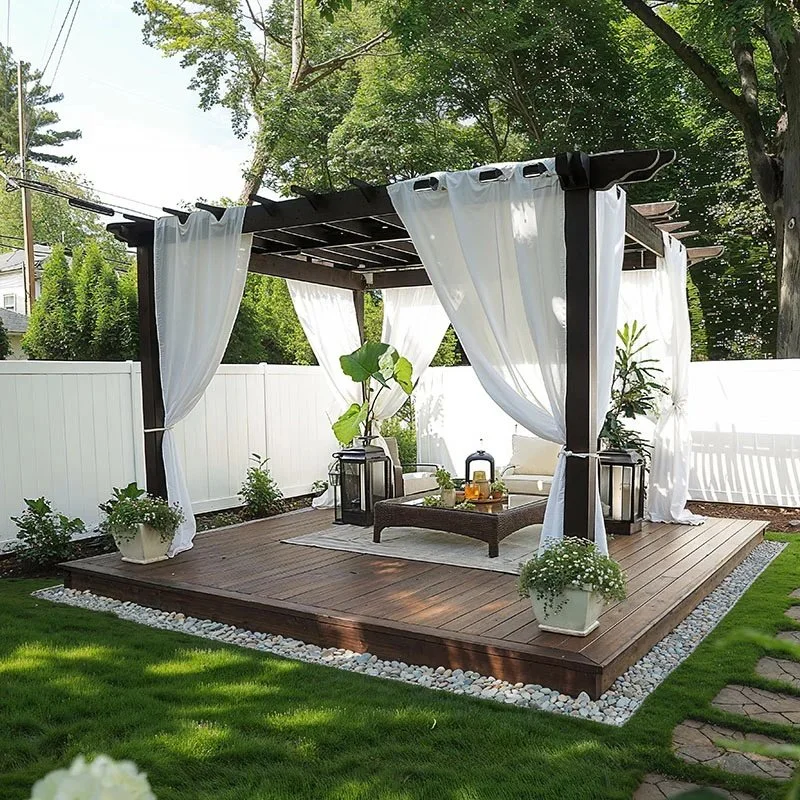
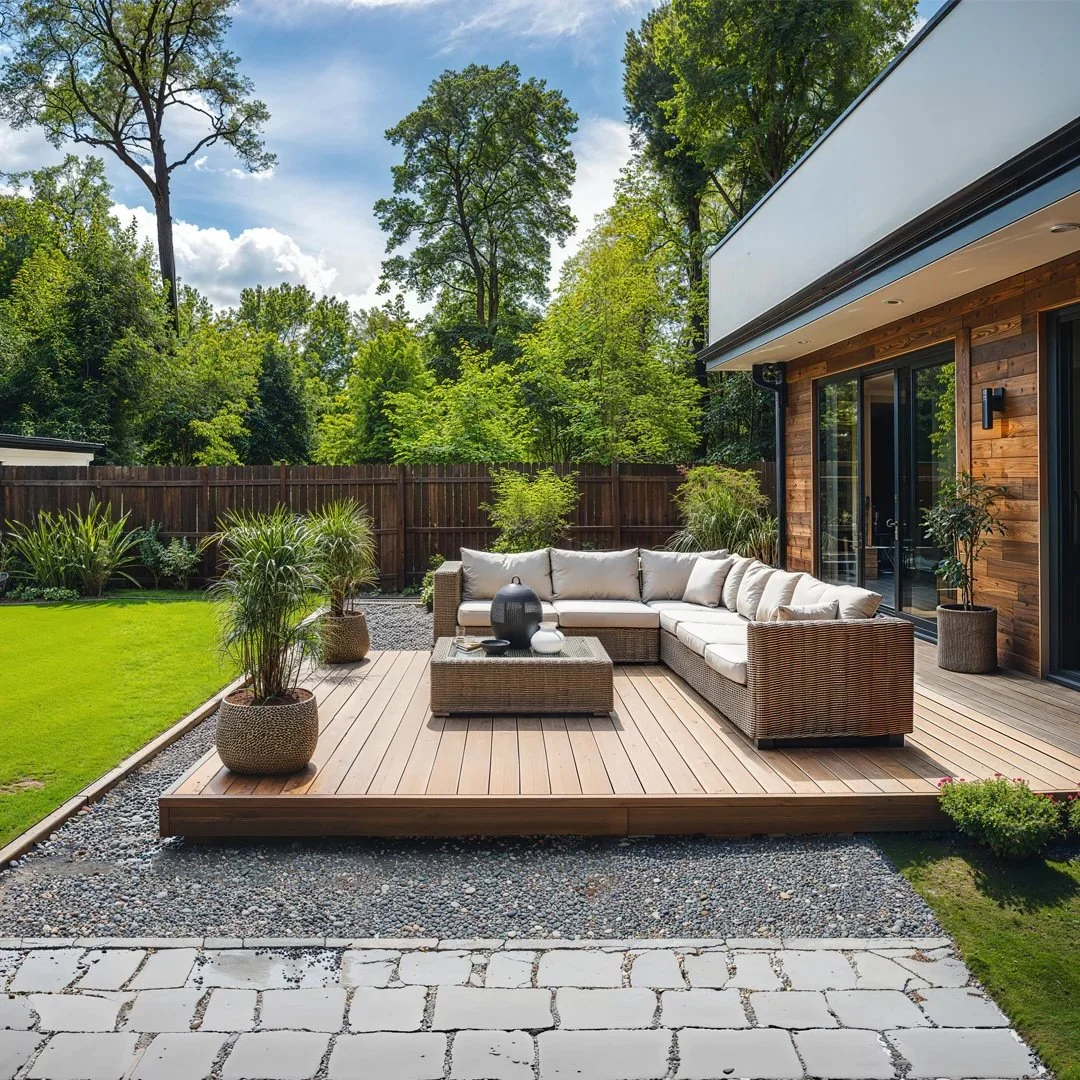
FLOATING DECKS
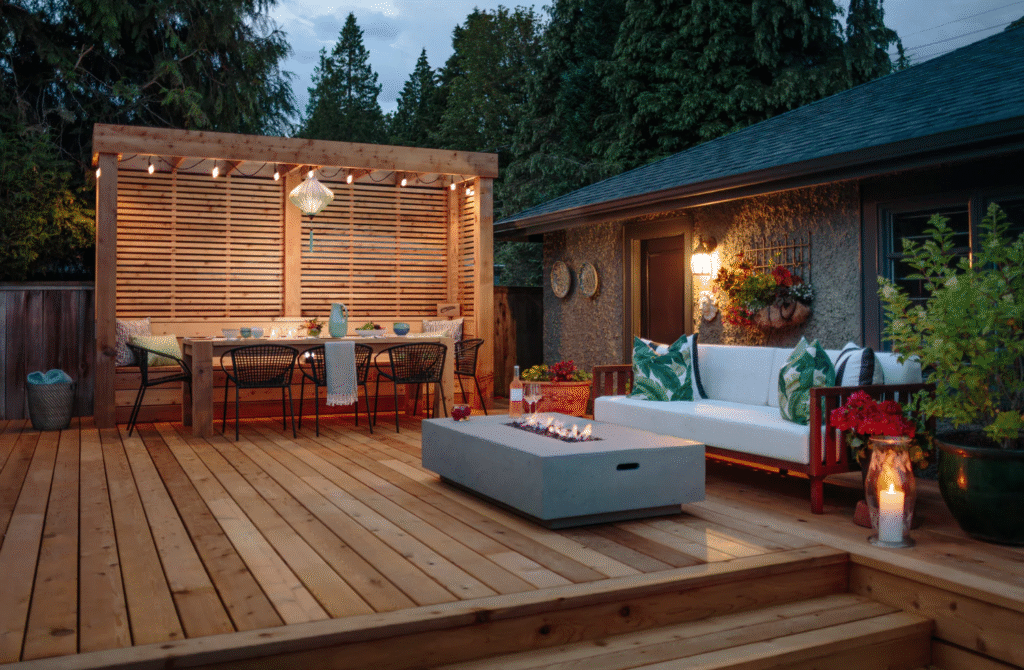
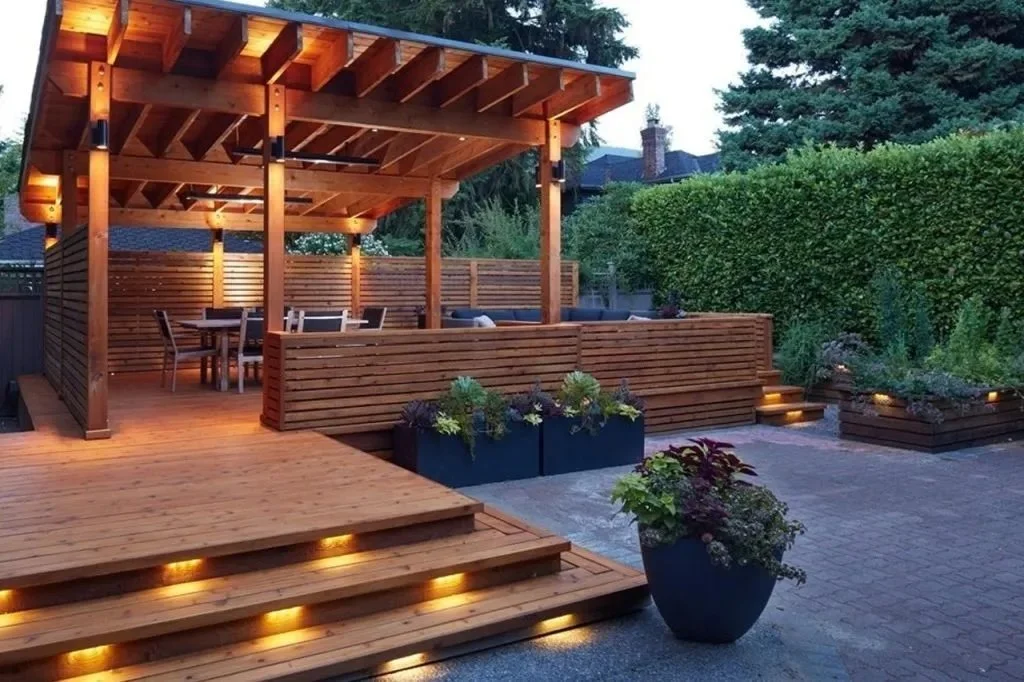
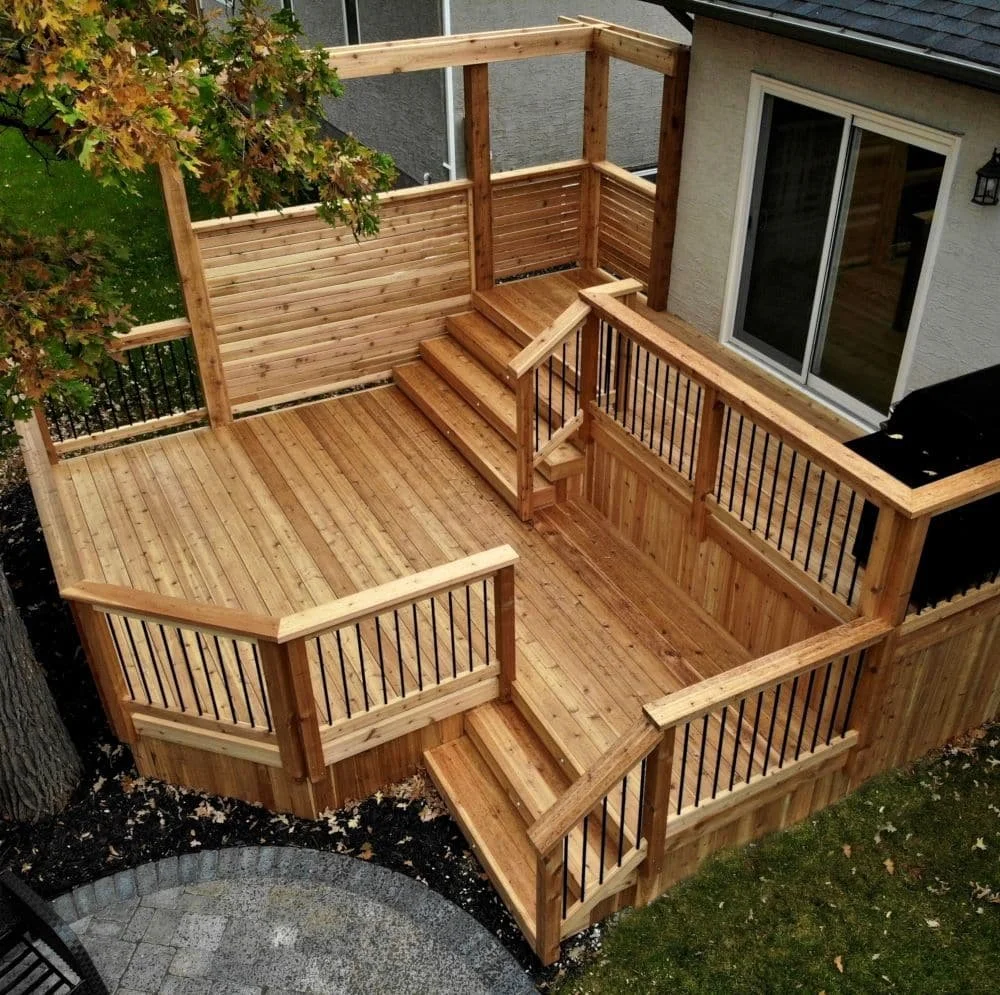
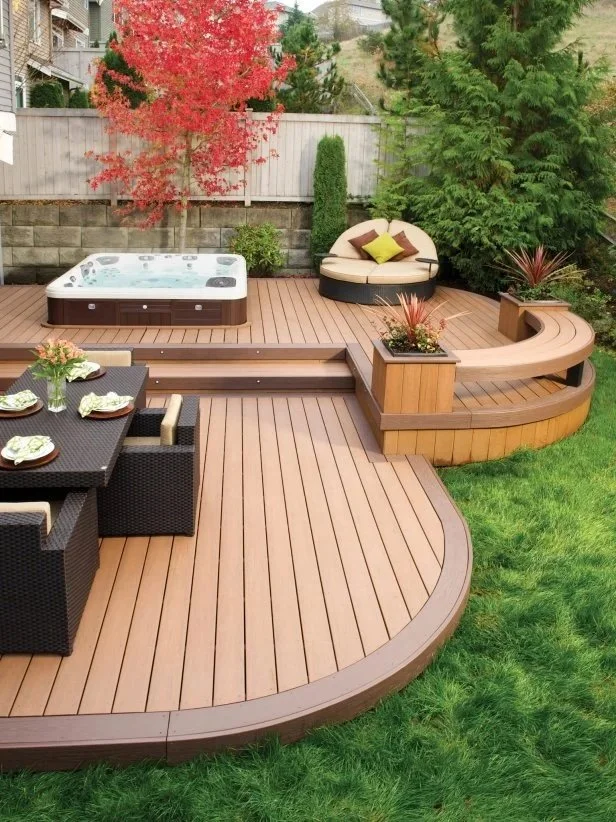
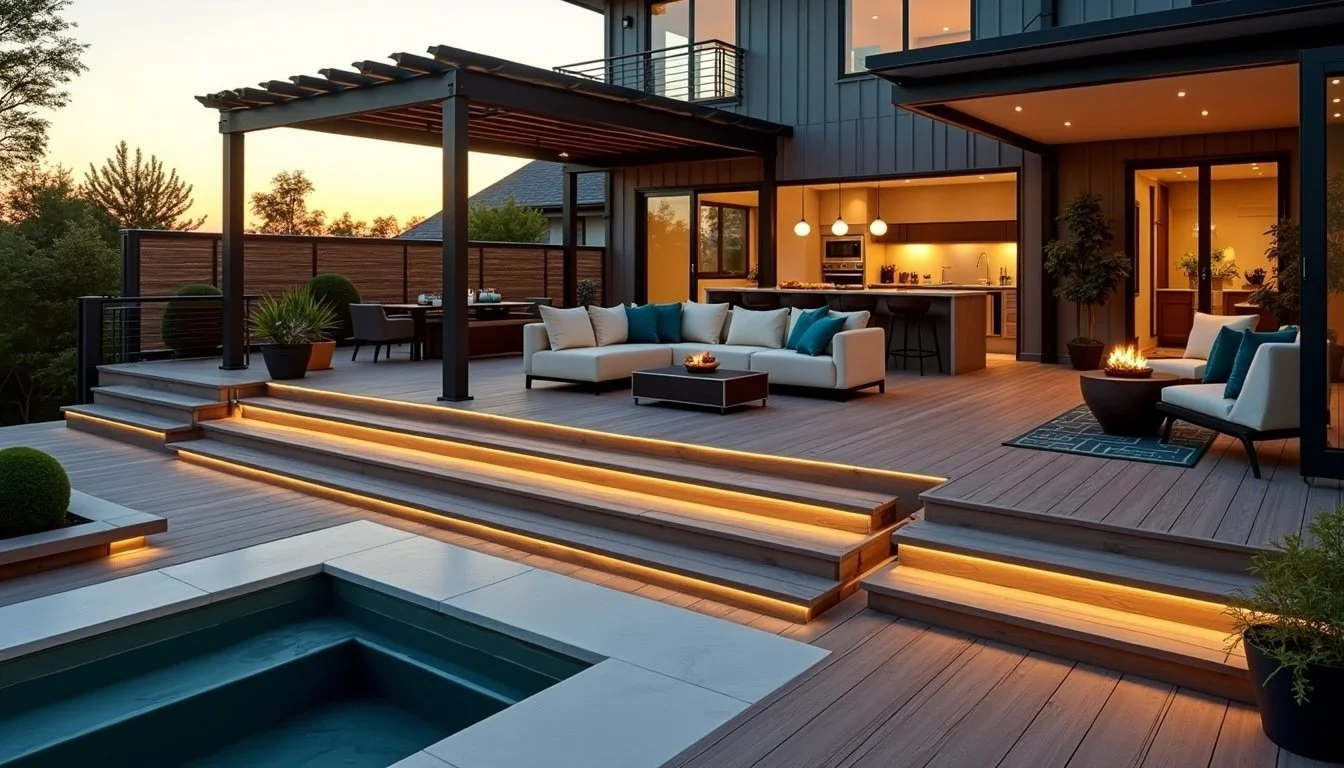
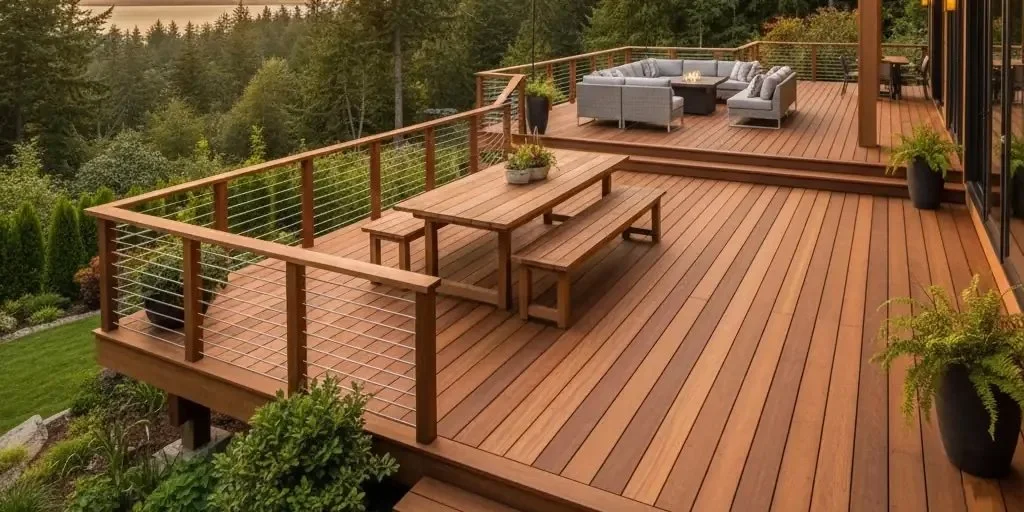
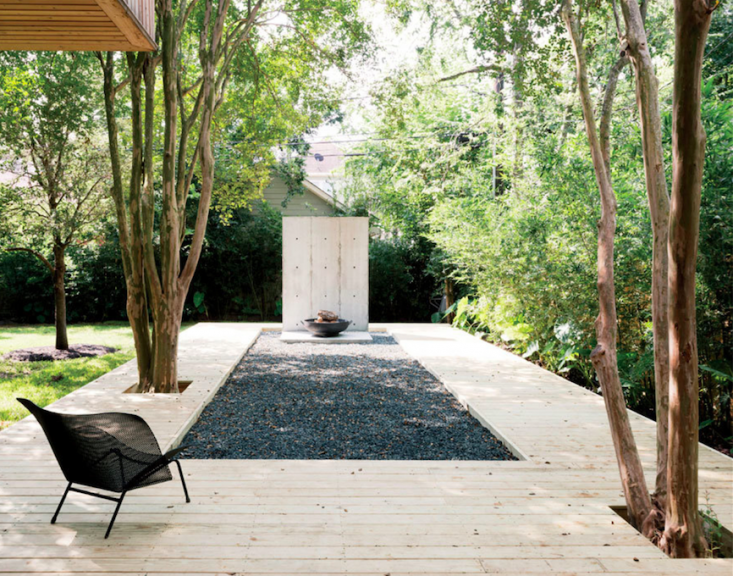
A floating deck is a freestanding, ground-level wooden platform not attached to a house. A substructure provides a strong structural base - especially needed as the deck surface becomes larger. The floating deck will usually be one gentle step up off ground level and can be used for a lounge area, hot tub, or fire pit.
This type of deck design is unique to integrate into the landscape. Using connecting pathways to access, they can be surrounded by plant material, privacy screens, covered with a pergola, etc.
NOTE: Permits may be required for your deck and setbacks adhered to when building. .
Backyard deck design ideas for small Toronto yards
Small backyards don’t mean limited design. In fact, thoughtful deck design can make compact spaces feel larger and more usable. Especially in cases where your yard space has a slope, a deck is a great way to create level living space.
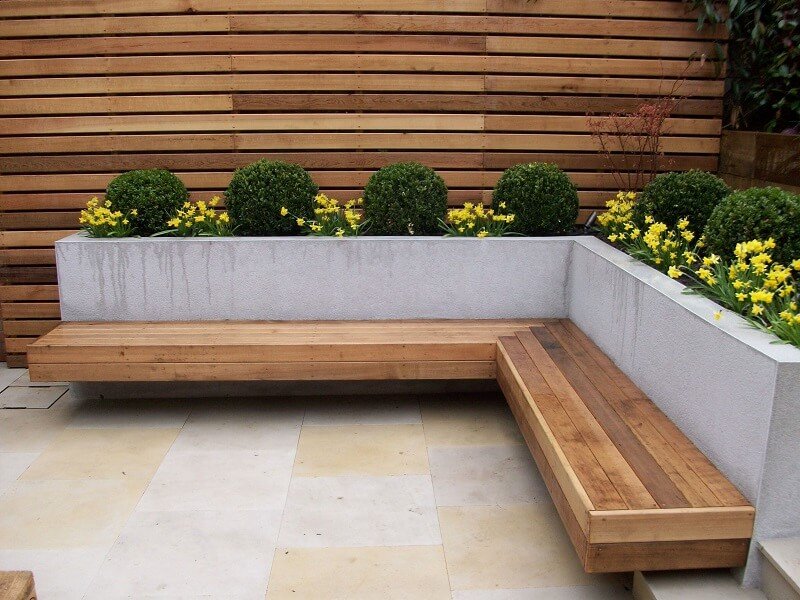
Built-in seating and planters
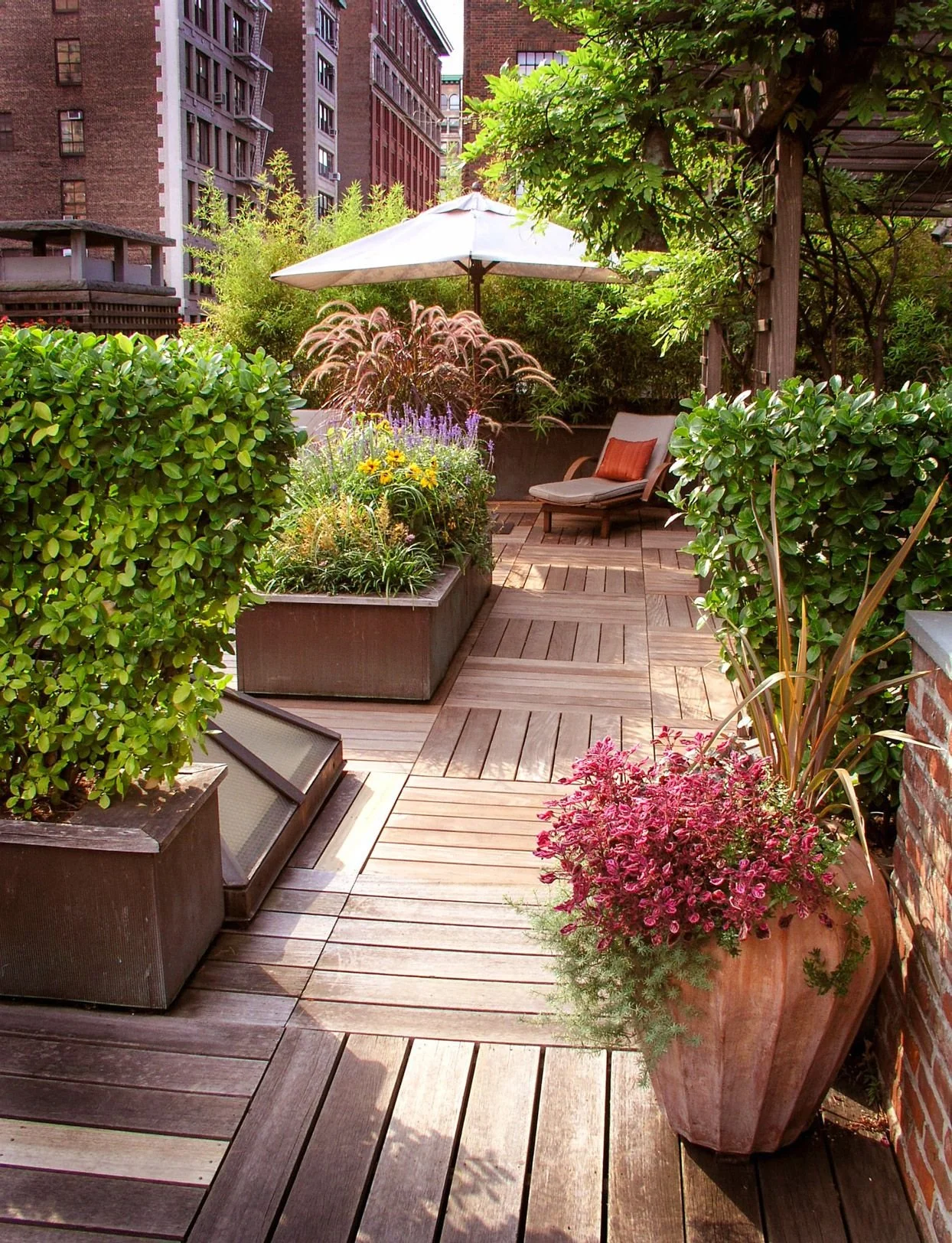
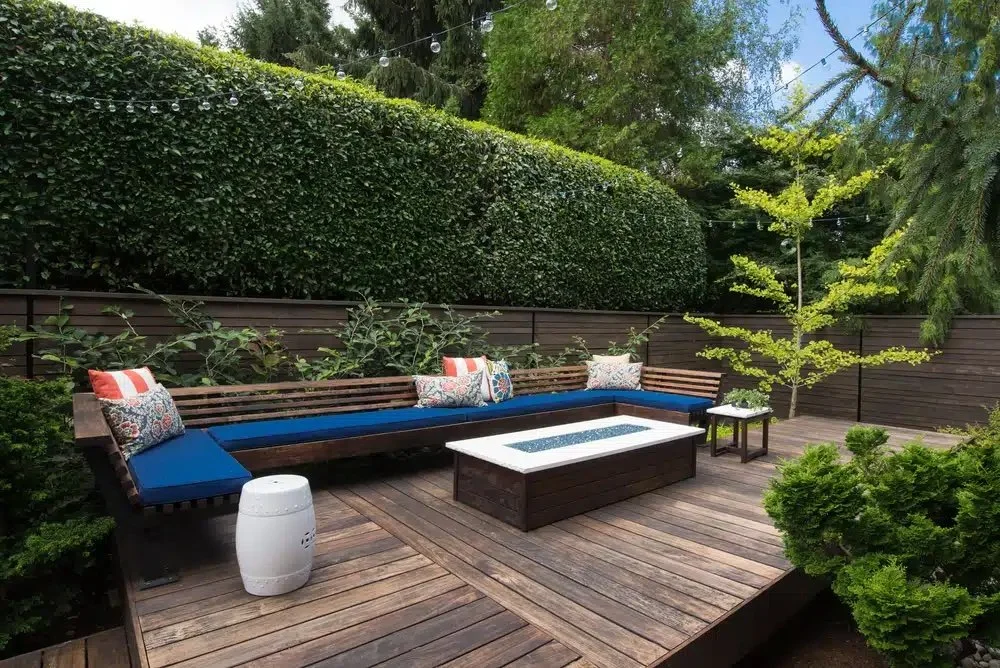
Built-in benches and integrated planters reduce the need for furniture and help define how the deck is used. They also allow greenery to be woven directly into the structure, which is especially helpful in urban yards.
This approach pairs well with front yard landscaping updates too, creating a consistent design language around the entire home.
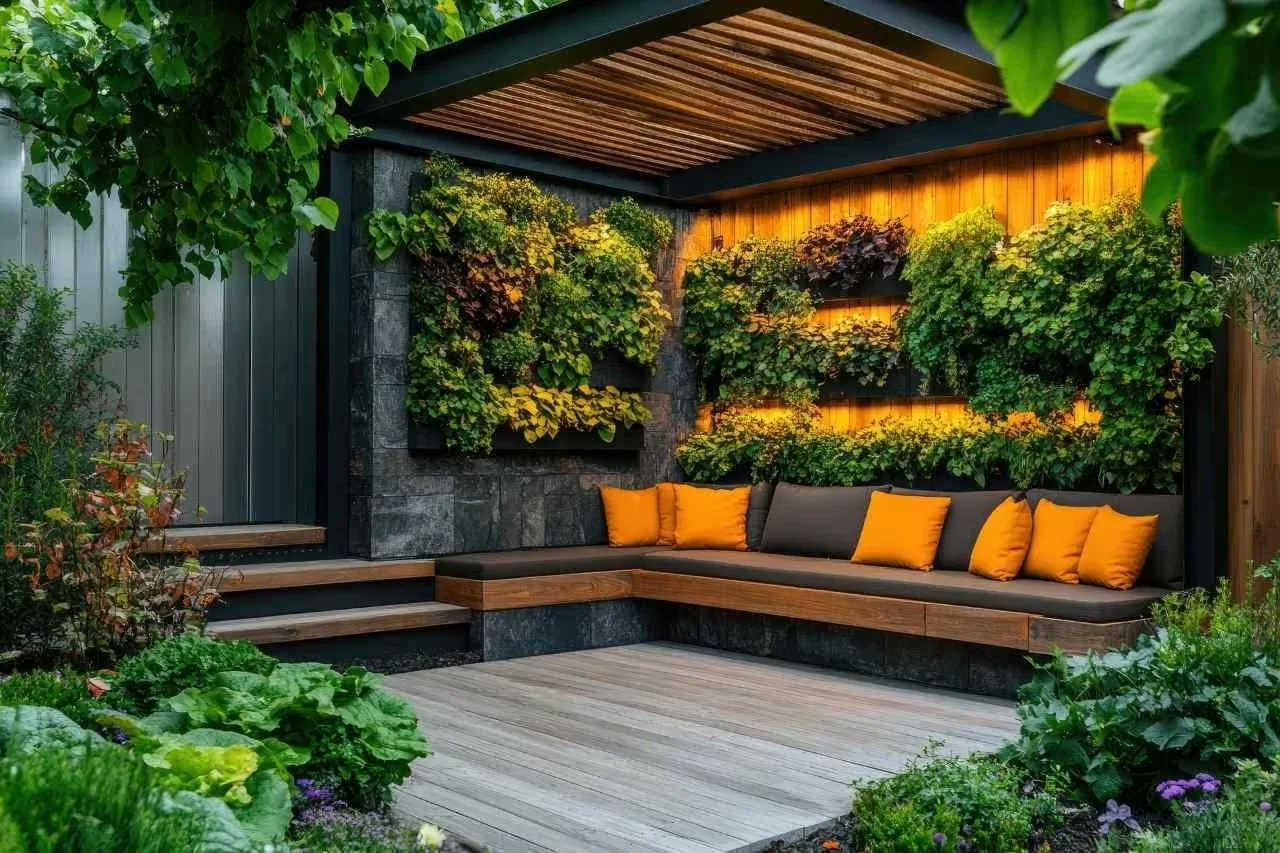
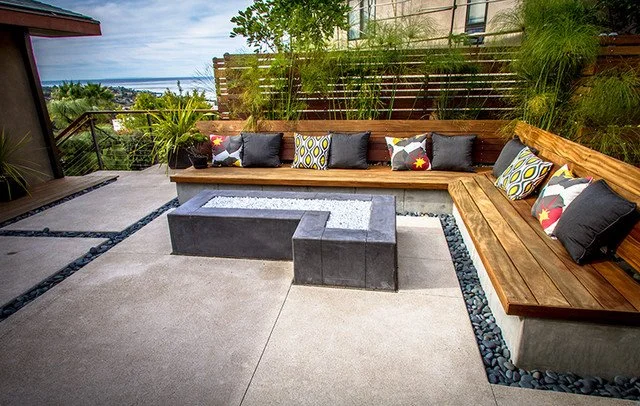
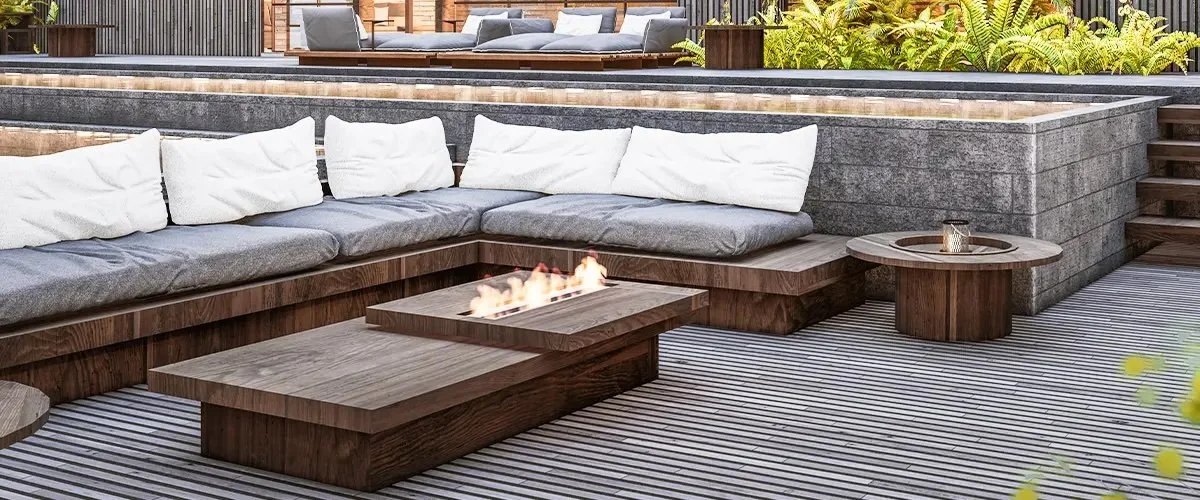
Clean lines and lighter finishes
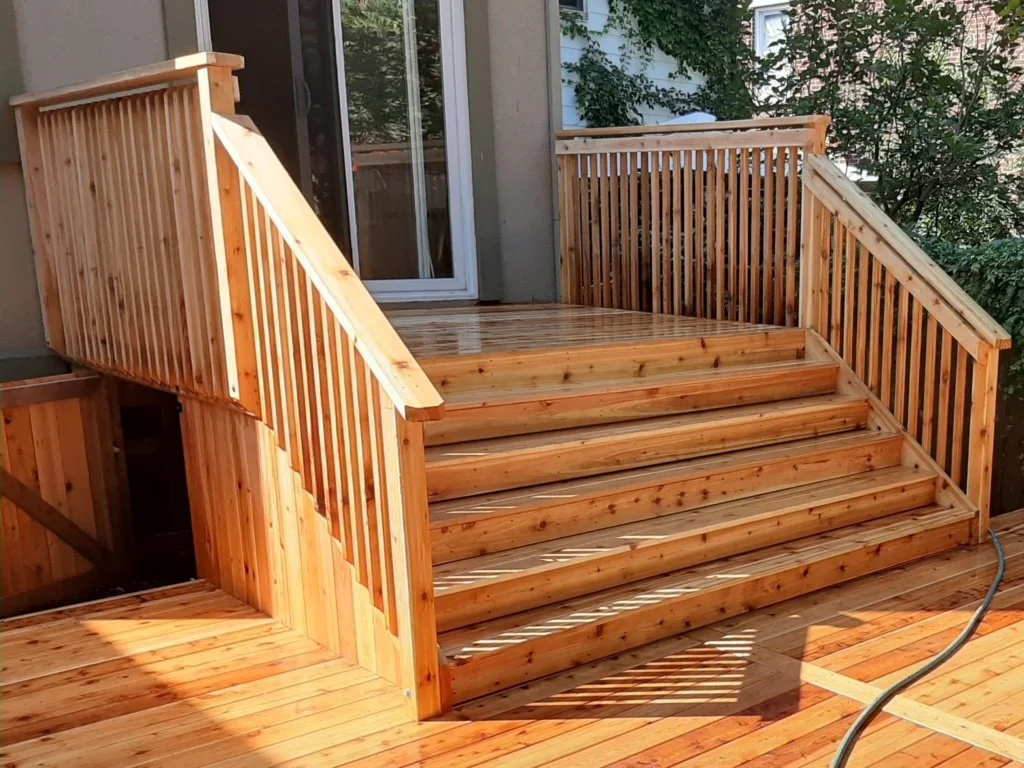
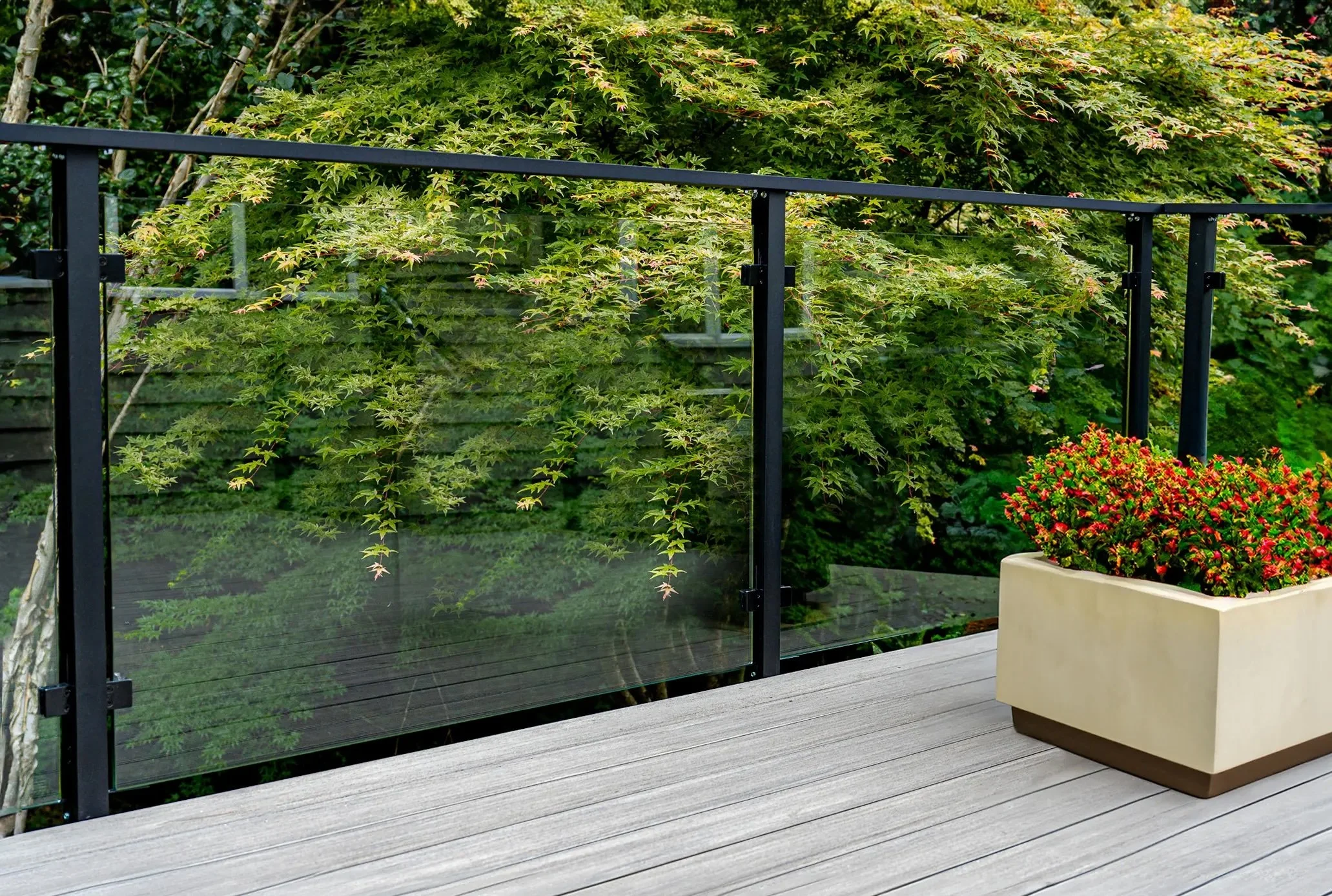
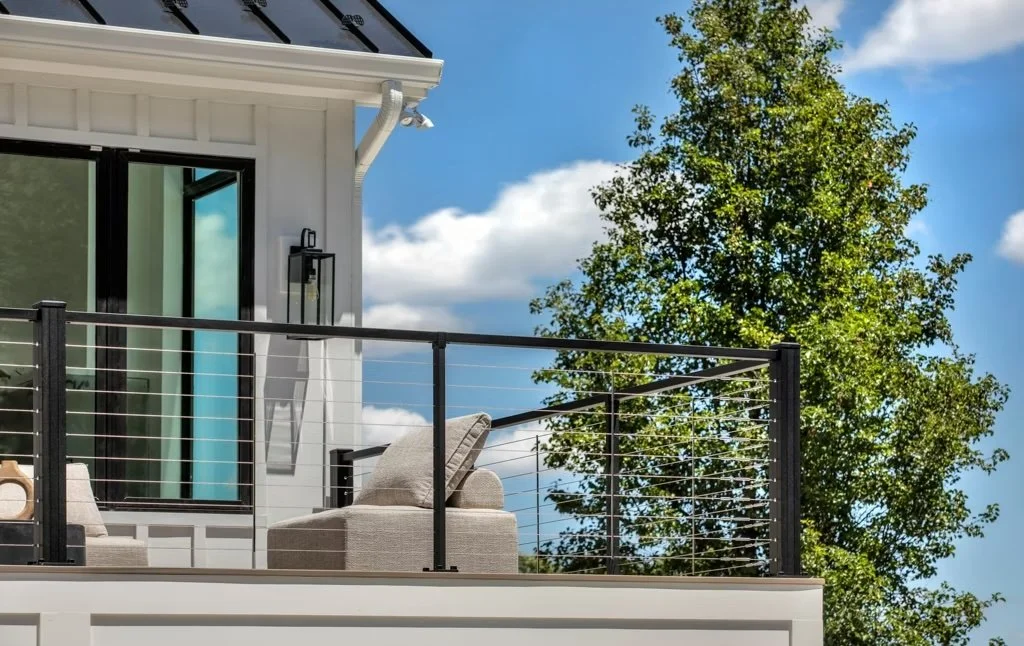
Lighter colour materials and simple railing designs help keep things visually open. Heavy railings or dark finishes can make small yards feel boxed in. Think about glass railings, metal balusters, natural cedar or composite deck boards, etc.
Choosing deck materials that work in Toronto’s climate
Toronto weather is tough on outdoor structures. Freeze-thaw cycles, moisture, and intense summer heat all affect how decks age over time.
Composite decking for low maintenance
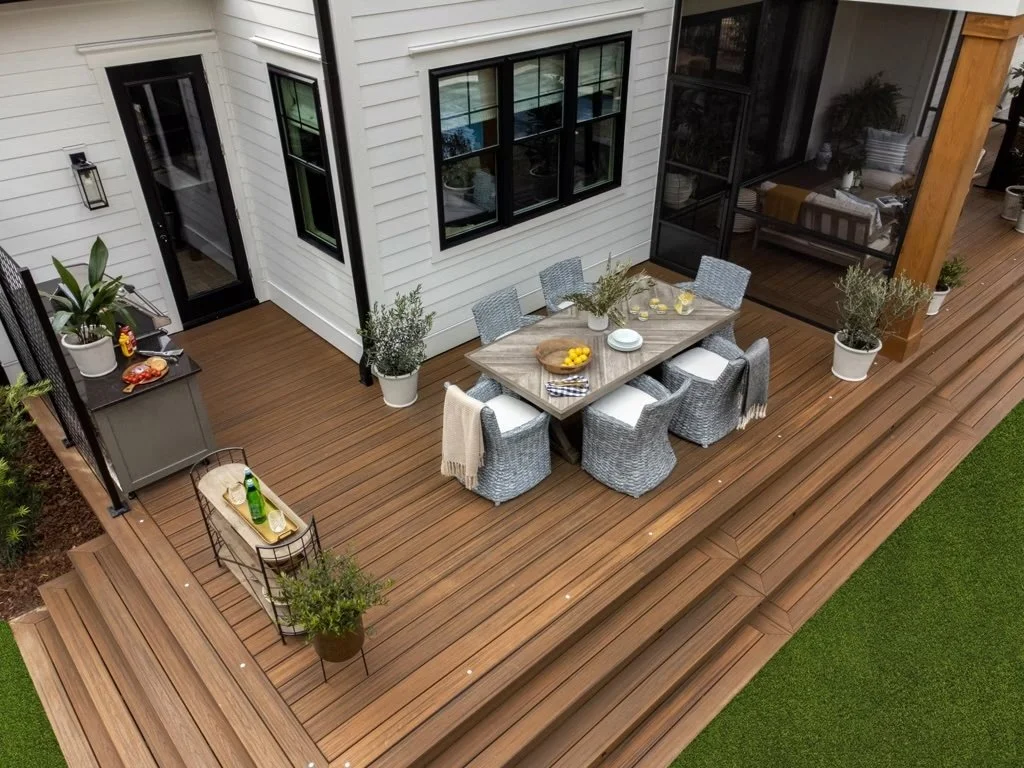
Composite decking is a popular choice for homeowners who want durability with minimal upkeep. It resists moisture and doesn’t require staining, which makes it a good fit for busy households.
Natural wood for warmth and character
Wood decks offer a timeless look, but they require regular maintenance. When clients choose wood, we carefully consider sun exposure, drainage, and long-term care so there are no surprises later.
Material choices should always be coordinated with the rest of the patio backyard design or hardscape finishes so the yard feels unified.
Railings, privacy, and zoning considerations
Deck design isn’t just about appearance. Safety, privacy, and local regulations all play a role.
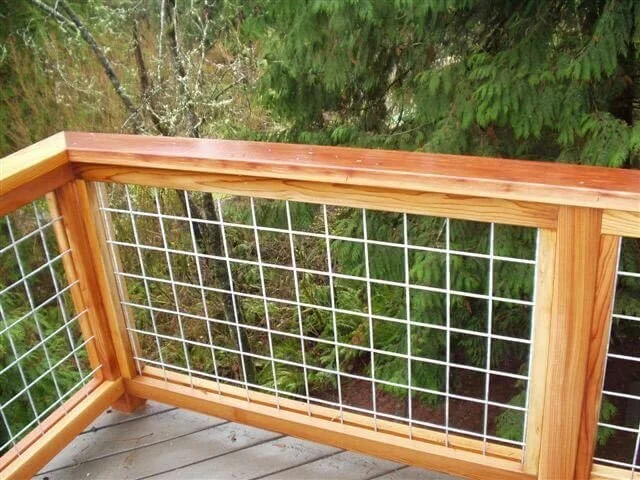
Glass railings are a great option when you want to preserve views and maintain an open feel. In closer neighbourhoods, privacy screens, pergolas, or strategic planting can create separation without making the space feel closed in.
These decisions are much easier when deck designs are created alongside the full landscape and design plan instead of after construction starts.
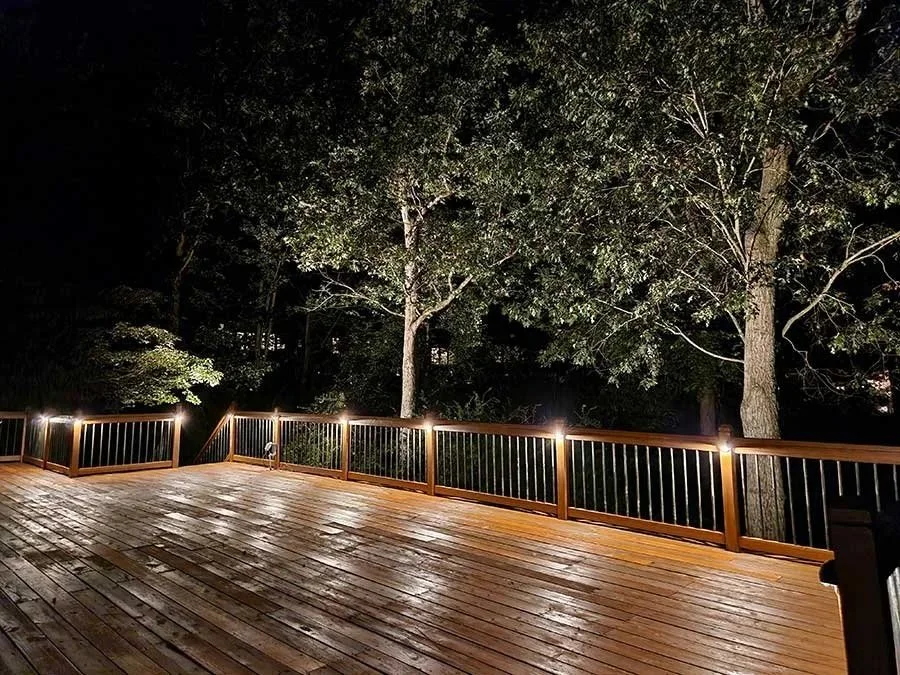
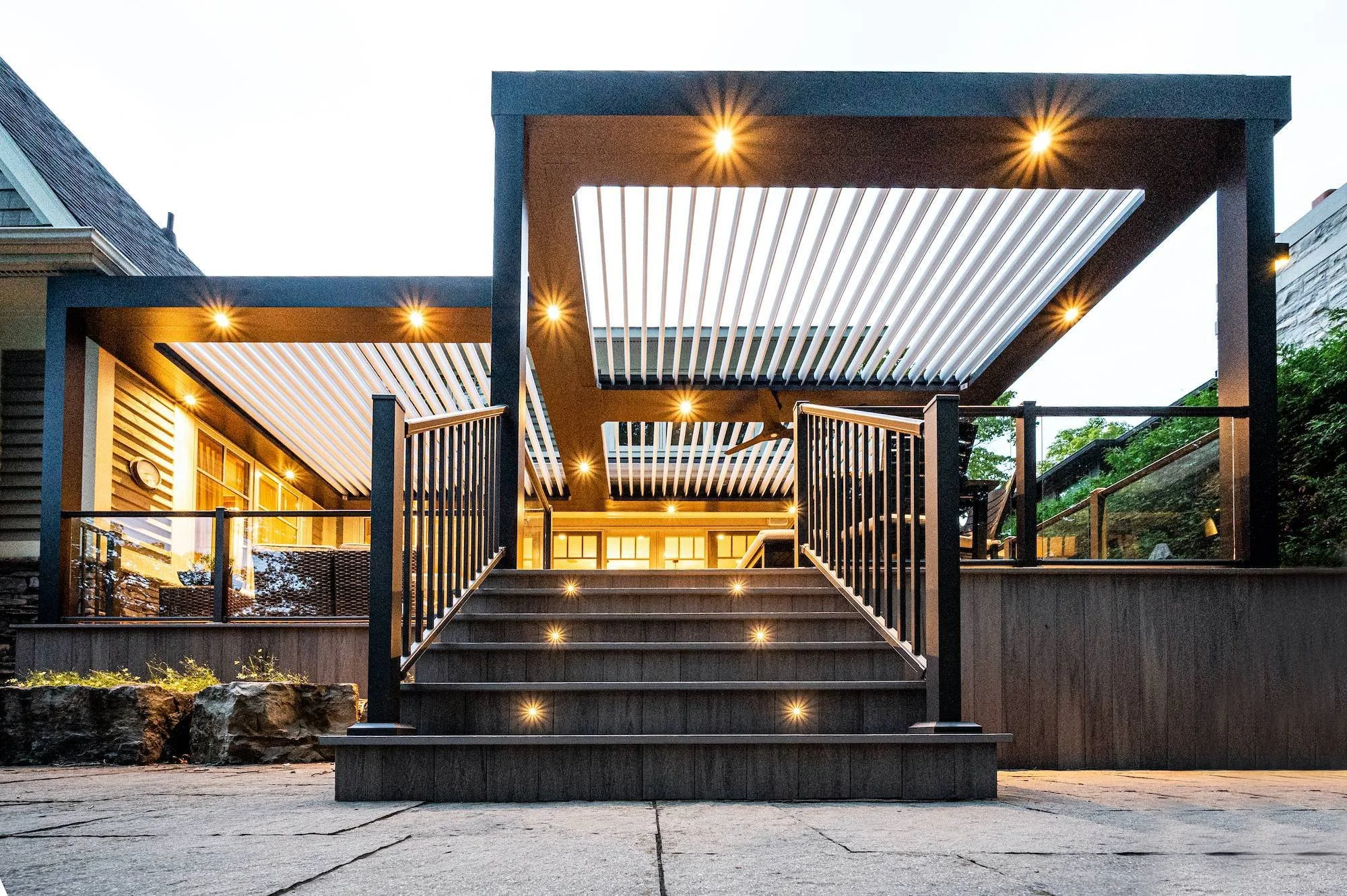
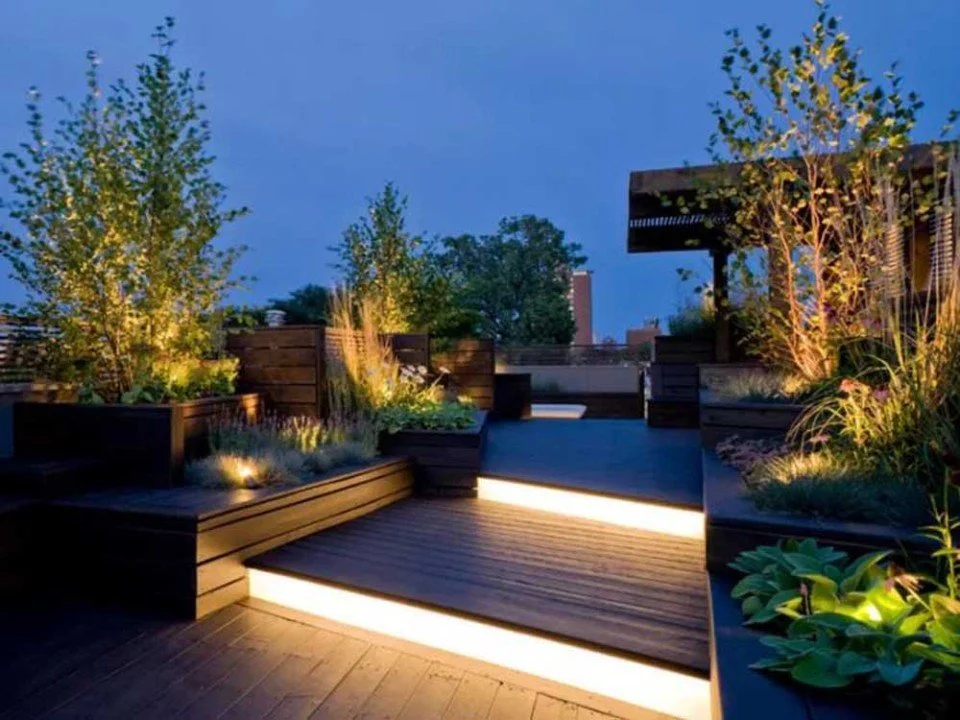
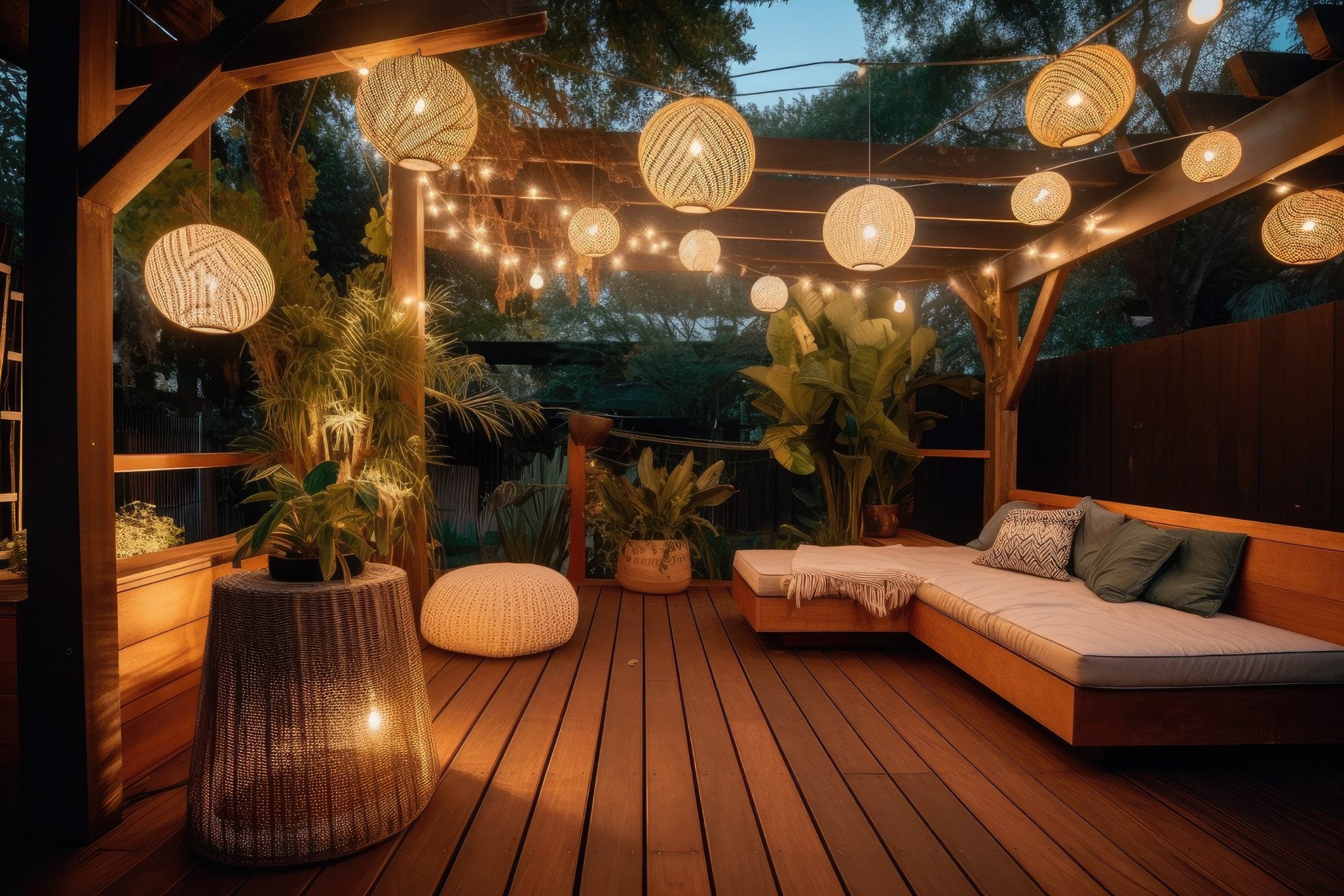
Lighting ideas that extend how long you use your deck
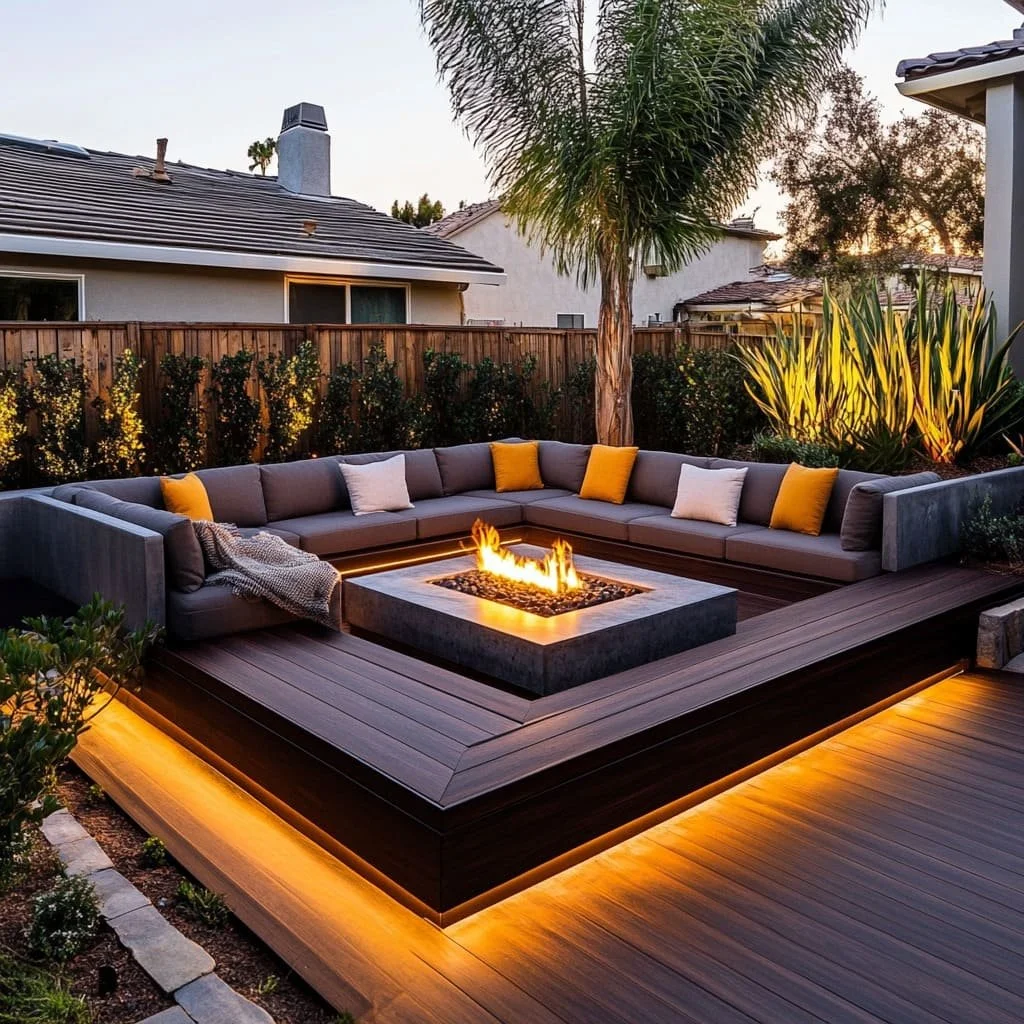
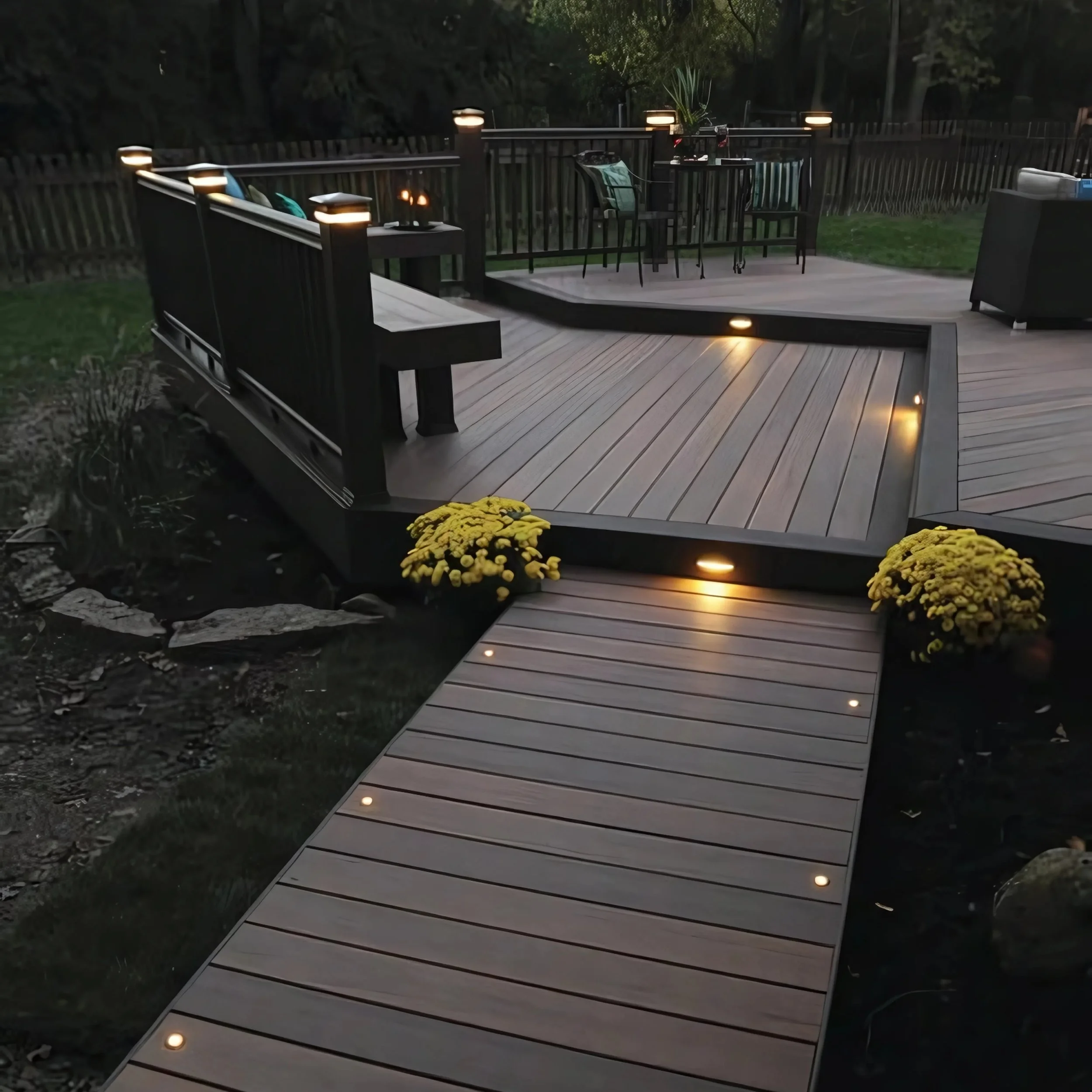
A deck shouldn’t disappear once the sun goes down. Integrated lighting improves safety and makes the space usable well into the evening.
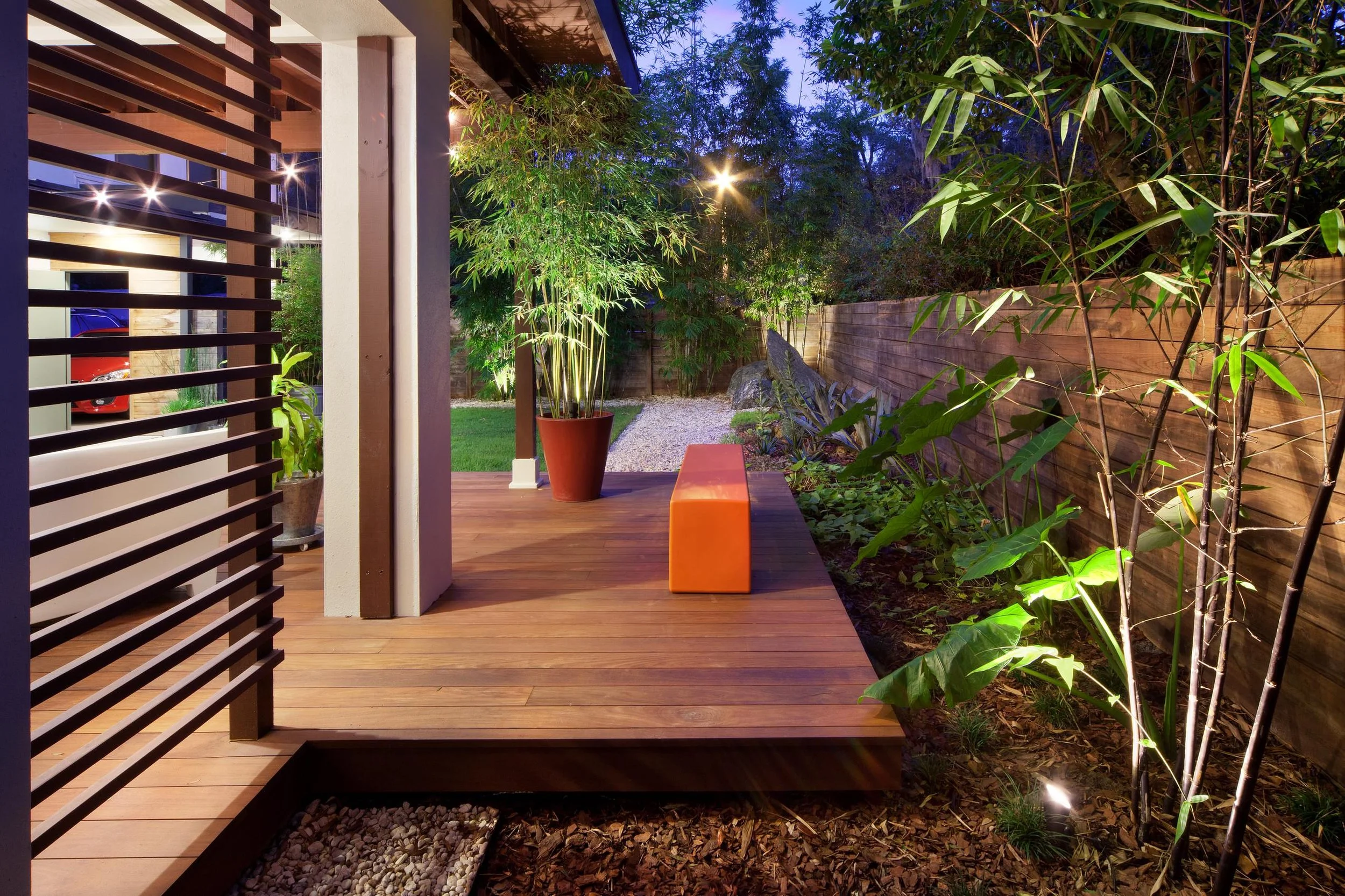
Step lights, subtle railing lighting, and soft ambient fixtures help create atmosphere without overpowering the yard. Lighting works best when it’s planned during the design phase rather than added later.
This is especially important when decks connect to other features like pathways or pool landscaping, where visibility and safety matter even more.
How decks should connect to the rest of the backyard
The most successful deck designs feel like part of the landscape, not a separate platform.
Decks often transition into patios, gardens, or lawn areas. When spacing, elevations, and materials are coordinated, the backyard feels calm and balanced instead of disjointed.
This is where working with a designer who understands both planting and structure makes a real difference.
Working with contractors without the stress
One thing I always emphasize to homeowners is that good design makes construction easier. Clear drawings, material specifications, and grading details help contractors build accurately and efficiently.
I regularly work directly with trusted landscape contractors, so homeowners don’t have to manage communication between designers and builders themselves. This keeps projects moving smoothly and ensures the finished deck matches the original design intent.
Common deck design mistakes I see homeowners make
Some of the most common issues I see include decks that are too large for the yard, poor drainage planning, and layouts that block access to gardens or lawns.
Another big mistake is rushing into construction without a complete design. A deck should solve problems, not create new ones, and thoughtful planning upfront prevents costly changes later.
Why professional deck design is worth it
Professional deck design looks beyond the surface. It considers structure, flow, materials, long-term use, and how the deck fits into the full landscape.
As a landscape designer working across Toronto, Etobicoke, Mississauga, and Oakville, I design decks as part of complete outdoor environments, not standalone features. If you’re thinking about adding or reworking a deck, you can learn more about my approach here:
https://www.masterinthefield.ca/deck-design-etobicoke
You can also explore real project inspiration and design ideas on the Inspiration page, or reach out if you’d like help creating a deck that truly fits your home and yard.